
The Complete Guide to Clothes Customisation for Australian Businesses and Sports Clubs
Discover how clothes customisation works in Australia — decoration methods, MOQs, budgets, and tips for businesses, marketing teams, and sports clubs.

Written by
Kai Williams
Custom Apparel
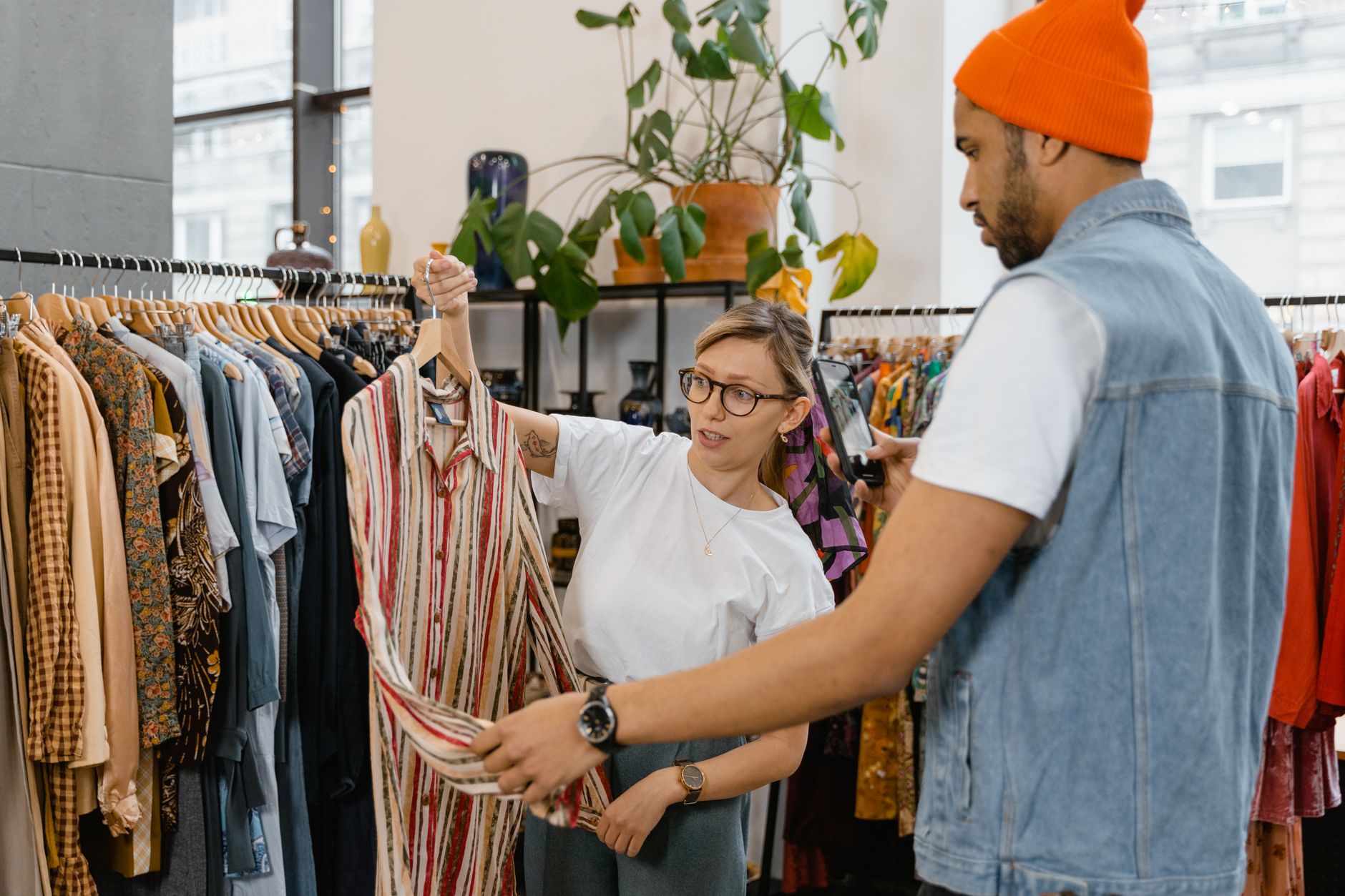
Choosing the right approach to clothes customisation can feel overwhelming, especially when you’re balancing brand consistency, budget constraints, and tight deadlines. Whether you’re a Sydney marketing manager kitting out your team for a trade show, a Brisbane sporting club ordering new training jerseys, or a Melbourne business dressing hospitality staff in branded uniforms, getting your custom apparel right matters more than you might think. Done well, customised clothing builds brand recognition, fosters team unity, and creates a lasting impression. Done poorly, it costs money and ends up in the back of a cupboard. This guide cuts through the complexity and gives you everything you need to make smart, informed decisions about custom clothing in Australia.
What Is Clothes Customisation and Why Does It Matter?
At its core, clothes customisation is the process of applying a logo, design, text, or artwork to a garment — transforming a plain item into a powerful branding tool. The options range from a simple one-colour chest logo on a polo shirt to a full-colour all-over sublimation print on a performance jersey.
For Australian businesses and organisations, customised clothing serves several important functions:
- Brand visibility: Uniformed staff or team members wearing consistent, well-branded clothing present a professional image to clients and the public.
- Team cohesion: Whether it’s a Canberra government department or a Gold Coast surf club, matching apparel creates a sense of belonging.
- Marketing reach: Every time someone wears a branded garment in public, your brand gets seen. Unlike a digital ad that disappears, a quality t-shirt can be worn for years.
- Event presence: Custom apparel at expos, conferences, and sporting events signals professionalism and makes your people easy to identify.
The key to unlocking these benefits lies in understanding which products and decoration methods suit your specific goals — and that’s exactly what we’re about to explore.
Understanding the Main Decoration Methods
One of the most important decisions in any clothes customisation project is choosing the right decoration technique. Each method has its strengths, and the best choice depends on your garment type, artwork, order quantity, and budget.
Screen Printing
Screen printing is the industry workhorse for custom t-shirts and casual apparel. It’s cost-effective for large runs, delivers vibrant colours, and holds up exceptionally well to repeated washing. It’s ideal for designs with solid colours and clean lines — think event staff shirts, sports day tees, or promotional giveaways.
Keep in mind that screen printing involves setup costs (one screen per colour), so the per-unit cost drops significantly as quantities increase. Our detailed breakdown of ink coverage and pricing for screen printed merchandise is worth reading before you finalise your artwork.
Embroidery
Embroidery adds a premium, textured feel that works beautifully on polo shirts, caps, jackets, and workwear. It’s the go-to method for corporate uniforms and professional settings where you want clothing to look refined and durable. Embroidery holds its appearance wash after wash, making it particularly well-suited for custom uniforms for hospitality staff who launder their uniforms frequently.
The trade-off? Intricate artwork or very small text can be difficult to reproduce accurately. A setup fee for digitising your logo into an embroidery file is typically a one-off cost, which means repeat orders become more cost-efficient over time.
Sublimation Printing
Sublimation is the method of choice for performance sportswear and bold, full-coverage designs. The dye is heat-fused directly into the fabric fibres, resulting in vivid, long-lasting prints that won’t crack or peel. It works exclusively on polyester-based fabrics, which makes it perfect for sports day event merchandise and athletic apparel.
Sublimation also allows for all-over printing — meaning the design can extend right to the seams — which gives sporting clubs and events a truly professional, custom look.
Heat Transfer and DTG (Direct-to-Garment)
Heat transfer and direct-to-garment (DTG) printing are excellent for short runs and designs with photographic detail or many colours. DTG in particular can print complex artwork directly onto cotton garments without screens or setup costs, making it cost-effective for smaller quantities. Both methods are popular for personalised items where each piece may carry a different name or number.
Choosing the Right Garment for Your Needs
The garment itself is just as important as the decoration method. Australian organisations typically customise a wide range of clothing types, and selecting the right base product can make or break the outcome.
T-Shirts
The humble t-shirt remains the most popular canvas for clothes customisation across virtually every sector. For yoga studios ordering custom t-shirts in Australia, a soft, breathable cotton blend is ideal. For fun run event swag, moisture-wicking performance tees are far more practical.
When ordering custom t-shirts, consider:
- Fabric weight: Heavier gsm (grams per square metre) generally means better quality and longevity.
- Fit options: Unisex, fitted, and oversized cuts are all common. Offering a range accommodates diverse team members.
- Colour range: Darker base colours suit light artwork poorly with some methods. Work with your supplier to confirm compatibility.
Polos and Workwear
Polo shirts are the staple of corporate Australia — professional enough for client-facing roles, comfortable enough for active work. Embroidery is almost always the preferred decoration method for polos, particularly in sectors like real estate, healthcare, and facilities management.
For organisations across Perth, Adelaide, and Darwin where outdoor conditions are more demanding, hi-vis workwear with embroidered or heat-applied logos is an essential investment. Explore the full range of promotional products available in Perth to understand what local businesses are prioritising.
Hoodies and Outerwear
Branded hoodies have surged in popularity for sporting clubs, universities, and tech companies alike. They sit somewhere between casual and corporate — versatile enough for a Melbourne startup’s team retreat or a Hobart football club’s training sessions. Embroidery and screen printing both work well on hoodies, depending on the design complexity.
Minimum Order Quantities and Budgeting Realistically
One of the first questions any organisation asks is: “How many do we need to order?” MOQs (minimum order quantities) vary by decoration method and supplier.
As a general guide:
- Screen printing: MOQs typically start at 10–25 pieces, with better pricing kicking in around 50+ units.
- Embroidery: Often as low as 6–12 pieces for standard polo shirts.
- Sublimation: Usually starts at 10–12 pieces, sometimes higher for fully custom cuts.
- DTG / heat transfer: Can start as low as 1 piece, making it suitable for sample orders or very small runs.
Budgeting for clothes customisation should factor in:
- Unit cost (which decreases with volume)
- Setup fees (screens, digitising files, etc. — usually a one-off cost)
- Delivery costs across Australia, which can be significant for bulk orders
- Artwork preparation if your files aren’t print-ready
If you have an urgent deadline, it’s worth knowing that express promotional product printing is available from many Australian suppliers — though it typically comes at a premium.
Sustainability in Custom Clothing
Australian organisations are increasingly asking about the environmental impact of their branded apparel, and rightly so. If sustainability is a priority for your brand, there are several meaningful options to consider.
Choosing garments made from organic cotton significantly reduces pesticide use and water consumption compared to conventional cotton. Look for certified options with GOTS (Global Organic Textile Standard) accreditation.
It’s also worth exploring suppliers who are actively engaged in promotional product waste reduction initiatives — this means fewer samples, smarter packaging, and responsible end-of-life disposal options.
For schools and organisations aligned with environmental values, combining eco-certified clothing with other FSC-certified office supplies can create a cohesive and credible sustainability message.
Practical Tips for a Smooth Clothes Customisation Project
Getting from brief to delivery without hiccups requires a bit of planning. Here are some practical tips from those who have managed these projects at scale:
1. Submit print-ready artwork. Your logo should be supplied as a vector file (AI, EPS, or high-resolution PDF). JPEG and PNG files often cause quality issues, particularly for embroidery digitising.
2. Request a sample or pre-production proof. Before committing to a full run, ask for a physical or digital proof. This is especially important for embroidery or complex colour-matching requirements.
3. Allow realistic lead times. Standard turnaround for custom clothing in Australia is typically 10–15 business days from artwork approval. Factor in shipping time to your location — whether that’s regional Queensland or inner-city Melbourne.
4. Plan your size breakdown carefully. A common mistake is underestimating the spread of sizes needed. Consider surveying your team before placing the order, and always keep a small buffer stock of common sizes.
5. Consider the full campaign. Custom clothing rarely works in isolation. Pairing it with complementary branded items — like personalised backpacks for an education event or branded drinkware — creates a more cohesive and memorable impression.
Sector-Specific Clothes Customisation Ideas
Clothes customisation looks different depending on who’s wearing it and why. Here are a few examples of how various Australian organisations approach it:
- Sporting clubs: Sublimated jerseys and training tees, often paired with custom stubby holders for club events
- Corporate businesses: Embroidered polos, branded jackets, and hi-vis workwear for site visits
- Schools and universities: Screen-printed house colour t-shirts for carnivals and sporting days
- Events and expos: High-visibility staff shirts that stand out on a busy floor
- Cultural events: Thoughtfully designed apparel for occasions like NAIDOC Week branded events, where design collaboration and cultural sensitivity are paramount
- Bridal and lifestyle expos: Custom apparel to complement merchandise for bridal expos in Australia
Conclusion: Key Takeaways for Your Clothes Customisation Project
Clothes customisation is one of the most versatile and impactful tools available to Australian businesses, sporting clubs, and marketing teams. Whether you’re ordering fifty screen-printed t-shirts for a product launch or three hundred embroidered polo shirts for a national workforce, the fundamentals remain the same: choose the right garment, the right decoration method, and partner with a supplier who understands your needs.
Here are the key points to carry forward:
- Match the decoration method to the garment and artwork — embroidery for premium corporate wear, screen printing for high-volume casual apparel, and sublimation for performance sportswear.
- MOQs and setup fees vary significantly across methods, so factor these into your budget from the outset.
- Allow adequate lead time — a minimum of two to three weeks from artwork approval is prudent for most standard orders.
- Sustainability matters — choosing organic, recycled, or responsibly sourced garments aligns your branded apparel with broader organisational values.
- Think beyond the garment — clothes customisation works best as part of a broader merchandise strategy that includes complementary products, consistent branding, and a clear purpose.
Take the time to plan well, and your custom clothing will do exactly what great branded merchandise should: work hard for your brand, long after it leaves your hands.