
Tee Shirts Custom Printed: The Complete Guide for Australian Businesses and Sports Clubs
Everything you need to know about ordering custom printed tee shirts in Australia — from artwork prep to decoration methods and bulk pricing.

Written by
Kai Williams
Custom Apparel
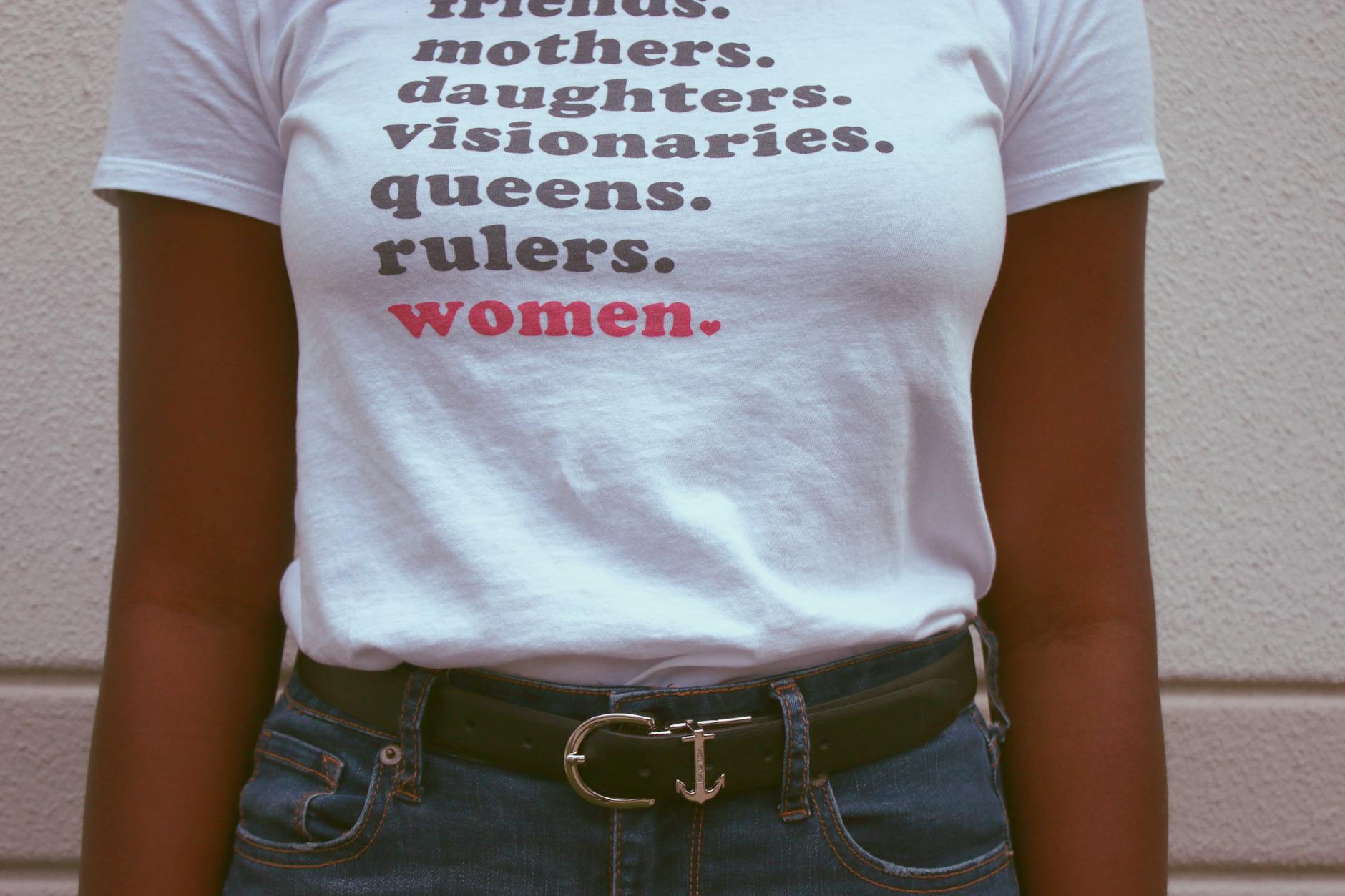
Whether you’re kitting out a sales team heading to a trade expo in Melbourne, organising uniforms for a Brisbane sporting club, or putting together branded merchandise for a corporate event in Sydney, tee shirts custom printed with your logo are one of the most effective and versatile promotional tools available. They’re walking billboards that people actually want to wear — and when done well, they become a staple part of someone’s weekly wardrobe. But getting from “we need custom tees” to holding a finished box of quality shirts is a process that involves more decisions than most people expect. This guide walks you through everything you need to know before placing your order.
Why Tee Shirts Custom Printed Still Dominate Branded Merchandise
In a world increasingly saturated with digital advertising, physical branded products cut through in a way that screen-based campaigns simply can’t replicate. A well-designed custom tee shirt travels everywhere its wearer goes — from the gym in Adelaide to the coffee shop in Perth — generating thousands of impressions over its lifetime without any ongoing marketing spend.
For marketing teams, custom tees offer an exceptional cost-per-impression ratio compared to most paid advertising channels. For sporting clubs, they build team identity and create a sense of belonging. For businesses running events or activations, they serve as both a uniform and a giveaway that recipients genuinely keep.
There’s also a practicality factor that other promotional products struggle to match. Unlike branded pens or keyrings that end up in a drawer, a quality custom t-shirt earns its place in someone’s regular rotation. That longevity means your brand keeps working long after the event has passed. It’s worth understanding how promotional products build brand awareness over time to appreciate the full value of investing in quality apparel.
Understanding Your Decoration Options
One of the most important decisions in any custom tee shirt project is choosing the right decoration method. Each technique has different strengths, cost profiles, and suitability depending on your artwork, fabric, and quantities.
Screen Printing
Screen printing is the industry standard for bulk custom tee shirt orders. It involves creating a separate screen (stencil) for each colour in your design, then pressing ink through those screens onto the fabric. The results are vibrant, durable, and cost-effective at volume — typically from 24 to 50 units and above.
Screen printing works best with simple, bold designs using a limited number of colours. It’s particularly well-suited to sporting club uniforms, event merchandise, and promotional giveaways where consistent, high-contrast branding is the goal. Setup fees apply per colour, so designs with five or more colours can become expensive. For a deeper look at this process, check out our guide to screen printing for custom apparel.
Direct-to-Garment (DTG) Printing
DTG printing is essentially digital inkjet printing directly onto the fabric. It excels at reproducing complex, photographic, or full-colour designs without any setup fees — making it ideal for smaller runs or one-off pieces. The trade-off is that per-unit costs are higher than screen printing at large volumes, and it typically works best on 100% cotton fabrics.
If your team needs fewer than 20 shirts or your artwork includes gradients and fine detail, DTG is often the smarter choice.
Heat Transfer and Sublimation
Heat transfer involves printing your design onto a special film or paper, then pressing it onto the garment using heat and pressure. Sublimation, a more advanced version of this method, bonds ink directly into polyester fibres to create vivid, all-over prints that won’t crack or peel. Sublimation is particularly popular for sporting clubs in Queensland and New South Wales who want dynamic, full-coverage designs on performance wear.
The limitation with sublimation is that it requires polyester or poly-blend fabrics and works best on lighter coloured garments. For traditional cotton tees, heat transfer vinyl is a practical alternative for smaller orders.
Understanding these methods helps you have a more informed conversation with your supplier and ensures your final product matches your expectations. Our overview of decoration methods for branded clothing covers each technique in more detail.
Choosing the Right Blank Tee Shirt
The quality of your finished product depends as much on the blank garment as it does on the print. Selecting the right shirt comes down to fabric weight, fit, and intended use.
Fabric Weight and Feel
T-shirt weight is measured in GSM (grams per square metre). Lighter shirts (130–160 GSM) are breathable and economical — great for event giveaways or summer activations in Darwin or Brisbane. Mid-weight options (180–200 GSM) strike the ideal balance between comfort and durability, making them the most popular choice for corporate uniforms and club merchandise. Heavier shirts (200 GSM and above) feel premium and are suited to retail-quality merchandise or fundraising products where perceived value matters.
Fit and Sizing
In 2026, consumers expect options beyond the traditional unisex boxy cut. Look for suppliers who stock both regular and slim-fit cuts, as well as a proper women’s fit range. Offering a variety of silhouettes ensures your team members or recipients actually wear the shirt — which is, after all, the entire point.
Sizing can vary between garment brands, so always request a size chart before finalising your order. For large corporate orders across teams in multiple cities like Perth, Canberra, and Hobart, consider ordering a range of samples first to check fit before committing to the full run.
Fabric Composition
Cotton remains the most comfortable and print-friendly option. Poly-cotton blends offer improved durability and moisture-wicking properties, which is why they’re popular for sporting club and workwear applications. For eco-conscious organisations, organic cotton and recycled fibre options are increasingly available and worth exploring — especially if your brand values align with sustainability. Explore eco-friendly branded apparel options if this is a priority for your team.
Artwork and File Preparation
Getting your artwork right before submitting it to a decorator can save significant time, money, and frustration. Most professional decorators require vector artwork files (typically .AI or .EPS format from Adobe Illustrator) for screen printing, as these scale without any loss of quality. Raster files like JPEGs or PNGs are often acceptable for DTG printing, provided they’re supplied at a minimum of 300 DPI at print size.
Colour matching is another critical consideration. If your brand uses specific PMS (Pantone Matching System) colours, always communicate these to your decorator. Screen printing can be matched quite accurately to PMS references, but results can vary with different fabric colours and weights. A pre-production sample is the safest way to verify colour accuracy before a full run is printed. Read more about PMS colour matching for branded merchandise to avoid any costly surprises.
Common Artwork Mistakes to Avoid
- Supplying low-resolution files that pixelate when scaled up
- Using too many colours in a screen print design, which inflates costs
- Not accounting for minimum clear space around logos
- Forgetting to convert fonts to outlines, causing them to shift if the decorator doesn’t have your typeface installed
Minimum Order Quantities and Pricing
Budget planning is one of the most practical aspects of any custom tee shirt project. Minimum order quantities (MOQs) vary by decoration method:
- Screen printing: Typically 24–50 units minimum, though some decorators accept smaller runs with a short-run surcharge
- DTG printing: Often no minimum, or as low as 1–5 units
- Sublimation: Generally 12–20 units minimum depending on the garment style
Pricing is heavily tiered by volume. Ordering 100 shirts may cost nearly half the per-unit price compared to ordering 25. If you’re planning an event, it’s always worth calculating whether increasing your order quantity brings you into a more favourable pricing tier. For a practical overview of how quantity affects cost, see our bulk ordering guide for custom apparel.
Setup fees for screen printing typically range from $30 to $80 per colour, per design position. These are generally a one-off cost for the initial run, with reduced or waived fees on repeat orders using the same screens.
Turnaround Times and Planning Your Order
Turnaround times for tee shirts custom printed in Australia typically range from 7 to 15 business days after artwork approval, depending on the decorator and current production load. Rush turnarounds of 3–5 business days are often available at an additional cost, but it’s always safer to allow adequate lead time.
For large orders — such as a Sydney conference with 500 attendees or a Gold Coast sporting event — allow at least three to four weeks from artwork approval to delivery. Factor in time for proof review and any amendments before production begins.
If your organisation runs recurring events or seasonal promotions, consider setting up a branded merchandise calendar so you’re never ordering in a panic. Our article on planning your promotional merchandise calendar offers a practical framework for marketing teams.
Practical Tips for First-Time Buyers
If this is your first time ordering custom tees, a few final tips will help the process run smoothly:
- Order samples before committing. Most decorators can supply blank samples of the garment style you’re considering so you can check quality and sizing.
- Proof everything carefully. Always review your digital proof thoroughly before approving — check spelling, logo orientation, and dimensions.
- Think long-term. If you’ll be reordering regularly, choose a decorator who stores your screens or artwork files for future use.
- Consider the full package. Tee shirts often work best as part of a coordinated merchandise set. Pairing them with custom branded caps or branded tote bags creates a cohesive look for events and activations.
- Ask about garment ethics. Enquire whether blank garments are sourced from suppliers who meet ethical manufacturing standards, particularly if your organisation has a corporate social responsibility policy.
For further guidance on building a complete branded kit, our corporate merchandise starter guide is a great place to begin.
Conclusion
Tee shirts custom printed with your logo represent one of the highest-impact, best-value investments in branded merchandise available to Australian businesses, marketing teams, and sporting clubs. The key to a successful outcome lies in understanding your options — from decoration method and fabric choice to artwork preparation and supplier selection — before you place an order.
Here are the key takeaways to carry into your next project:
- Match your decoration method to your order size and artwork complexity — screen printing for bulk orders with bold designs, DTG for small runs with detailed artwork, sublimation for performance sportswear.
- Invest in garment quality — a lightweight, scratchy tee will be worn once; a quality mid-weight shirt becomes a wardrobe staple that keeps promoting your brand.
- Get your artwork right first — vector files, PMS colour references, and proper proof review prevent costly reprints.
- Plan for lead time — allow three to four weeks for large or complex orders, and never underestimate how long proof approvals can take.
- Think beyond the single item — custom tees work best as part of a broader merchandise strategy that builds a consistent and memorable brand presence.