
Upcycled Marketing Giveaways in Australia: The Complete Guide for 2026
Discover how Australian businesses can use upcycled marketing giveaways to reduce waste, boost brand values, and connect with eco-conscious audiences.

Written by
Isla Martinez
Eco & Sustainable Products
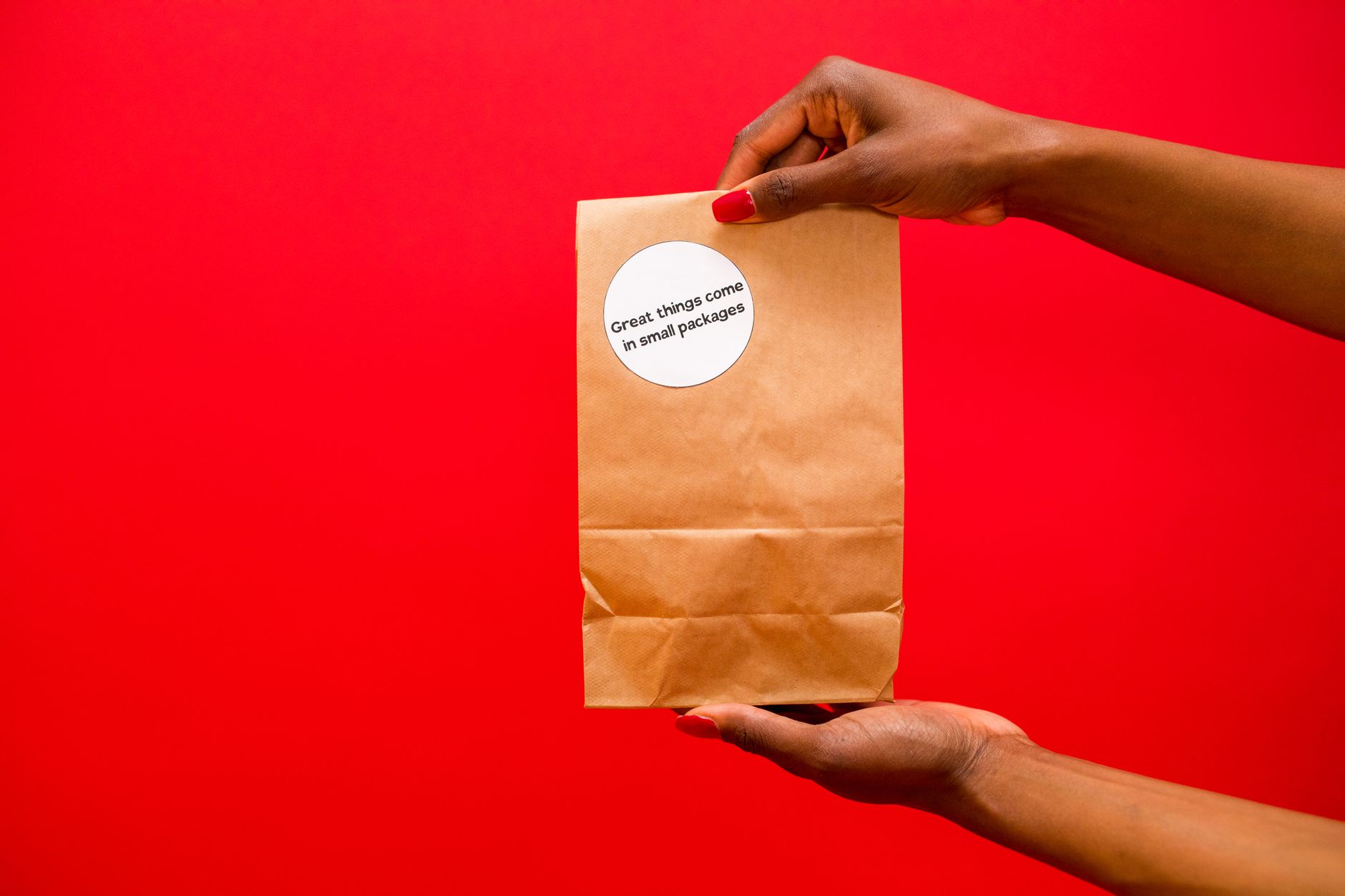
Sustainability is no longer a buzzword that marketing teams can afford to dismiss. Across Australia — from Melbourne boardrooms to Brisbane trade show floors — businesses are rethinking the environmental footprint of their branded merchandise. And right at the forefront of that shift is a growing movement toward upcycled marketing giveaways in Australia. These are promotional products made from materials that would otherwise end up in landfill: repurposed ocean plastics, reclaimed cotton, salvaged timber, and post-consumer waste transformed into items people actually want to keep. If your brand is looking for a way to stand out while genuinely walking the talk on sustainability, upcycled promotional products deserve a serious look.
What Are Upcycled Marketing Giveaways, and Why Do They Matter?
Before diving into product selection and ordering practicalities, it’s worth clarifying what “upcycled” actually means — because it’s often confused with “recycled.” Recycled products are broken down and reprocessed into new raw materials (think melted-down plastic bottles becoming polyester fabric). Upcycled products, on the other hand, take discarded or waste materials and transform them into something of equal or greater value without that energy-intensive breakdown process.
In a promotional merchandise context, upcycled giveaways might include:
- Tote bags made from salvaged billboard vinyl or sail cloth
- Pens crafted from reclaimed newspaper or recycled cardboard tubes
- Drinkware produced using ocean-bound plastics collected before they reach waterways
- Notebooks bound in leather offcuts or remnant denim from the garment industry
- Keyrings, coasters, or USB drives made from reclaimed timber offcuts
The environmental impact is meaningful. Unlike virgin plastic or freshly mined resources, upcycled materials divert waste from landfill and reduce the demand for resource-intensive production. For Australian businesses operating in a market where consumers increasingly scrutinise brand values, this distinction carries real weight.
Research consistently shows that recipients are more likely to keep and use promotional products they perceive as thoughtful or sustainable — which directly improves your brand’s visibility and recall over time. For a deeper look at how that translates to return on investment, check out the latest promotional drinkware ROI data as a useful benchmark for thinking about sustainable merchandise performance.
The Australian Market for Upcycled Promotional Products in 2026
Australia’s promotional products industry has been evolving rapidly, with sustainability driving some of the most significant changes. In 2026, Australian marketing teams are navigating a landscape where eco-credentials aren’t just a nice-to-have — they’re increasingly a prerequisite for winning tenders, retaining talent, and resonating with customers.
Government departments and councils are among the most active adopters. Many now require suppliers to demonstrate environmental commitments, and branded merchandise budgets are being scrutinised for sustainability compliance. Similarly, universities and TAFEs across Sydney, Melbourne, and Canberra are actively seeking merchandise aligned with their institutional sustainability pledges. Perth-based organisations can explore a strong local network of sustainable suppliers — our overview of Perth promotional products covers some of the regional options worth investigating.
Sporting clubs and community organisations are also getting on board. A Gold Coast football club, for instance, might choose upcycled cotton training bags over conventional polyester alternatives as part of a broader club sustainability initiative. Events teams coordinating fun run merchandise across Australia are increasingly specifying eco-friendly and upcycled options to align with the outdoor and environmental ethos that typically attracts those participant communities.
The supply side has also matured. Australian-based distributors now offer far greater variety in genuinely upcycled merchandise than was available even three years ago — though sourcing due diligence remains critical (more on that shortly).
Best Upcycled Giveaway Products for Australian Marketing Teams
Not all upcycled products are created equal. The best options combine genuine environmental credentials with practical usability — because a giveaway that ends up in the bin defeats the entire purpose.
Bags Made from Reclaimed Materials
Bags consistently rank among the most-used promotional products, and the upcycled category offers excellent variety here. Totes made from reclaimed cotton, sail fabric, or repurposed hessian are popular choices for conferences, expos, and retail activations. For a broader look at how tote bags perform as brand vehicles, our shopper and tote bags guide covers the key considerations around print methods, capacity, and audience fit.
A Sydney-based professional services firm handing out upcycled canvas tote bags at a sustainability conference sends a far more coherent message than a firm distributing conventional plastic-lined alternatives.
Drinkware from Ocean-Bound or Reclaimed Plastics
Custom drinkware is perennially popular, and upcycled options in this category have improved dramatically. Bottles and tumblers produced using ocean-bound plastic — collected within 50km of a coastline before entering the ocean — carry a compelling environmental story that resonates strongly in coastal cities like Brisbane, Sydney, and the Gold Coast. Pair that with a well-designed logo and you have a product with genuine lasting value. Explore the full range of possibilities in our drink bottle with logo guide.
Stationery from Post-Consumer Waste
Branded notebooks, pens, and desk accessories made from recycled newspapers, cardboard, or recovered materials are ideal for corporate gifting and conference giveaways. They’re typically compact, cost-effective at scale, and communicate a clear sustainability message. If your organisation sources other office-related branded products, it’s also worth looking at FSC-certified office supplies as a complementary category.
Upcycled Apparel and Textiles
Branded clothing made from reclaimed or upcycled fabrics is a growing space. While fully upcycled garments at scale can be harder to source than organic cotton alternatives, brands like those producing from post-industrial fabric waste are increasingly accessible through Australian distributors. For context on how organic cotton fits into the sustainable apparel conversation, our organic cotton branded merchandise guide is worth reading alongside your upcycled research.
Outdoor and Nature-Inspired Products
For eco-tourism operators, environmental organisations, and outdoor brands, upcycled merchandise takes on additional meaning when it connects thematically to the outdoors. Think reclaimed timber keyrings, upcycled cotton seed packets, or products that complement experiences in nature. Our feature on promotional branded binoculars for eco-tourism and promotional garden tools for outdoor corporate events both touch on product categories where an upcycled or sustainably sourced angle adds real coherence to your brand story.
How to Source Upcycled Marketing Giveaways Responsibly
This is where many organisations stumble. The term “upcycled” is not regulated, which means greenwashing is a genuine risk. Here’s how to approach sourcing with rigour.
Ask for Supply Chain Transparency
Any credible supplier of upcycled promotional products should be able to tell you where the base materials come from, how they were collected or diverted from waste streams, and what certifications (if any) apply. Be wary of vague claims like “eco-friendly materials” without substantiation.
Request Samples Before Committing to Volume
Upcycled materials can vary in finish and quality more than virgin materials. Always request physical samples before placing a full order — especially for items where tactile quality matters, such as bags or drinkware. Most reputable Australian suppliers accommodate sample requests, though lead times and sample fees vary.
Consider Decoration Method Carefully
The decoration method affects both the environmental footprint and the visual outcome of upcycled products. Screen printing on reclaimed cotton totes works beautifully for bold, simple designs — our guide to ink coverage and pricing for screen-printed merchandise has helpful detail on managing costs at different print volumes. Laser engraving suits reclaimed timber and bamboo items, leaving a clean, permanent mark without additional inks. Pad printing is commonly used for irregular surfaces on upcycled drinkware.
Plan for Realistic Lead Times
Upcycled products often have longer lead times than conventional alternatives because sourcing base materials is less predictable. Build in extra time — particularly for large campaigns or events with fixed dates. If you’re ever caught short, our article on express promotional product printing for urgent orders outlines your fastest-turnaround options, though availability of upcycled stock at speed is more limited than conventional products.
Matching Upcycled Giveaways to Your Audience and Event Context
Great promotional products work when they’re relevant to the recipient and the occasion. Upcycled merchandise is no different.
- Corporate conferences and trade expos: Upcycled notebooks, reclaimed timber USB drives, and tote bags made from reclaimed materials are all well-suited to professional settings.
- Schools and education events: Sustainable merchandise resonates strongly in school communities. Whether it’s for a sports day event in Sydney or a World Environment Day activation at a school, upcycled options reinforce environmental education in a tangible way.
- Community and cultural events: For events with a strong community identity — such as NAIDOC Week activations — thoughtfully sourced, upcycled merchandise with appropriate cultural consideration demonstrates genuine respect for values-aligned storytelling.
- Sports clubs: Upcycled cotton training bags, reclaimed material water bottles, or sustainability-themed merchandise can become part of a club’s community identity.
Upcycled giveaways are also a powerful tool for enhancing brand awareness in ways that traditional promotional products simply can’t match — because they invite a conversation about your brand’s values, not just your logo.
Managing Costs and MOQs for Upcycled Products
Budget is always a practical consideration, and upcycled products typically carry a small premium over conventional alternatives — reflecting the additional effort involved in sourcing and processing reclaimed materials. However, the gap has narrowed significantly as demand has scaled.
Minimum order quantities (MOQs) for upcycled items vary. Some reclaimed cotton tote bags are available in runs as low as 50 units, while more specialised items (like upcycled vinyl bags from billboard material) may require 100–250 units to be viable. For charitable organisations and not-for-profits mindful of budget, it’s worth exploring the promotional product waste reduction initiatives that some suppliers participate in, which can sometimes offer more favourable terms for sustainability-focused orders.
Conclusion: Key Takeaways for Upcycled Marketing Giveaways in Australia
Upcycled marketing giveaways in Australia represent one of the most meaningful ways businesses, sporting clubs, and marketing teams can demonstrate environmental commitment through their branded merchandise — without sacrificing quality or visual impact. As the market matures and supply chains become more robust, the barriers to adoption are lower than ever.
Here are the key points to carry forward:
- Upcycled ≠ recycled: Upcycled products repurpose waste materials without energy-intensive breakdown, often carrying a stronger environmental story.
- Due diligence matters: Ask suppliers for transparent supply chain information and be cautious of unsubstantiated “eco-friendly” claims.
- Product-context fit is critical: Choose upcycled merchandise that makes thematic sense for your audience, event, and brand values.
- Plan ahead on lead times: Upcycled stock is less predictable than conventional product lines — build buffer time into your campaign planning.
- The ROI is real: Recipients value sustainable, well-made products — which means longer product life, greater brand visibility, and a more meaningful connection to your brand story.
In 2026, choosing upcycled giveaways isn’t just an ethical statement — it’s smart marketing.