
Clothing for Business: How to Choose the Right Branded Apparel for Your Organisation
Discover how to choose the best clothing for business, from polos to hi-vis workwear. Expert tips on decoration, budgets, and ordering for Australian teams.

Written by
Kai Williams
Custom Apparel
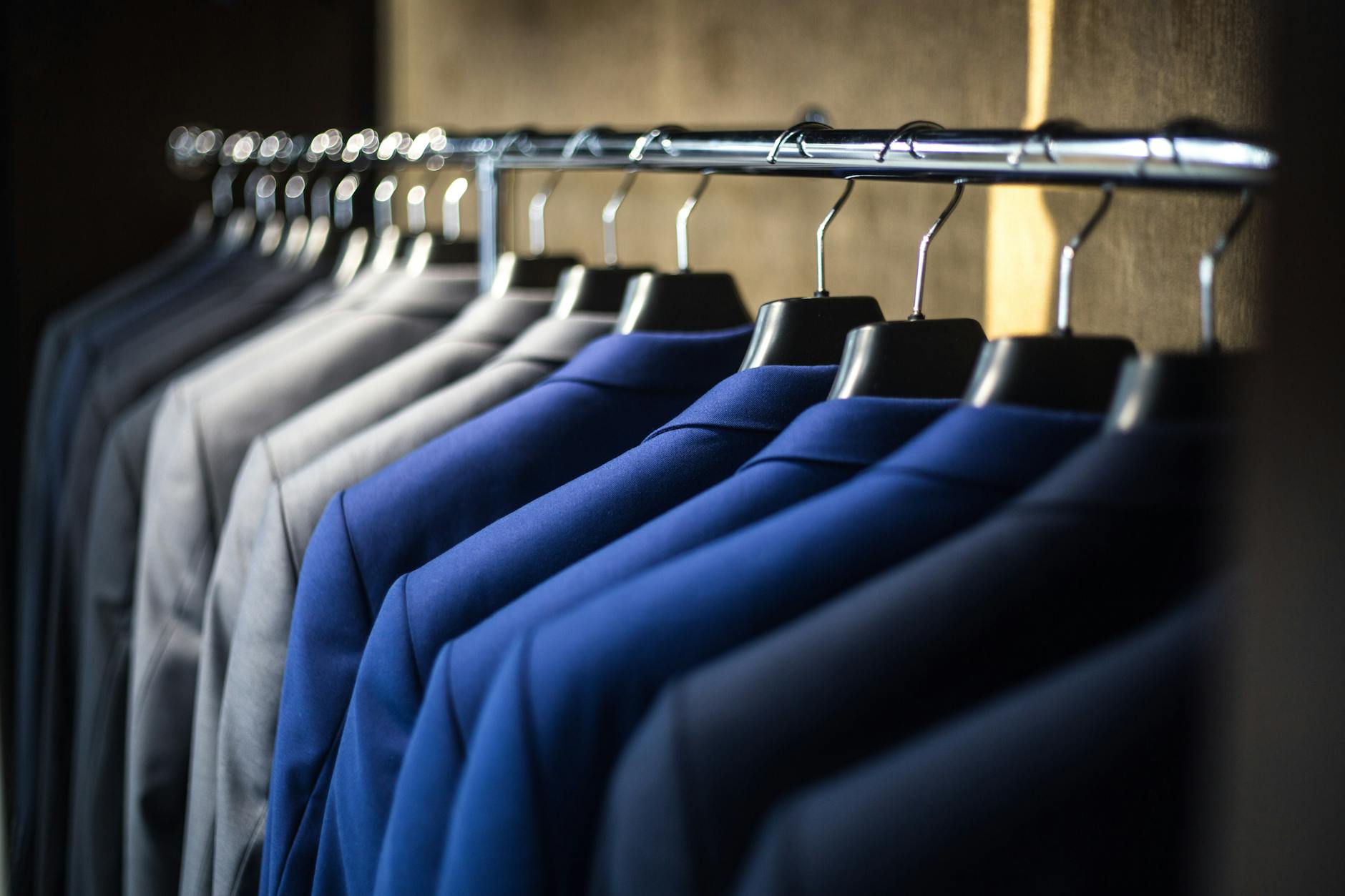
When it comes to making a lasting impression, few marketing tools are as powerful — or as underestimated — as clothing for business. Whether you’re outfitting a corporate sales team in Sydney, kitting out a Melbourne sporting club with new training gear, or sourcing uniforms for a Brisbane retail franchise, branded apparel does something no brochure or digital ad can fully replicate: it turns your people into walking, breathing brand ambassadors. Done well, business clothing builds team cohesion, communicates professionalism, and keeps your brand visible long after a handshake or first meeting. Done poorly, it ends up stuffed in a drawer. This guide walks you through everything you need to know to get it right.
Why Clothing for Business Is One of Your Strongest Branding Tools
It’s easy to underestimate a polo shirt or a branded hoodie, but the data consistently tells a different story. Promotional apparel has one of the highest impressions-per-dollar ratios of any marketing spend. Unlike a social media post that disappears in 24 hours, a well-made branded t-shirt gets worn repeatedly — at the gym, on the weekend, around the neighbourhood — extending your brand reach well beyond the office or event floor.
For marketing teams managing limited budgets, this kind of residual visibility is enormously valuable. And for sporting clubs and community organisations, branded clothing is often the cornerstone of team identity — think matching training shirts on a Gold Coast football oval, or matching polos at a Perth community fun run.
But the benefits go deeper than visibility alone. Branded workwear and uniforms contribute directly to:
- Team cohesion and morale — people feel like they belong when they’re dressed as a unit
- Customer trust — a uniformed team signals professionalism and reliability
- Brand recognition — consistent use of your colours, logo, and style builds memory associations over time
- Compliance and safety — particularly relevant for trades, healthcare, and outdoor industries where workwear standards matter
If you’re already thinking about complementary promotional tools to pair with your apparel, it’s worth reading up on your full range of promotional product options to see how clothing fits into a broader campaign.
Understanding Your Options: Key Apparel Categories
Not all business clothing is created equal. The right choice depends heavily on your industry, your team’s day-to-day environment, and the image you want to project. Here’s a breakdown of the main categories worth considering.
Polo Shirts
Polos are the workhorse of Australian business apparel. They strike the ideal balance between smart and casual — professional enough for client-facing roles, comfortable enough for a long day on your feet. They’re a favourite in real estate, hospitality, retail, tourism, and trade services alike.
If you’re outfitting a team with female staff members, don’t overlook the fit question. A women’s cut polo makes an enormous difference in comfort and appearance. Our guide to ladies’ polo shirts covers the key sizing and style considerations that too many organisations overlook.
Polos are best decorated via embroidery (for a premium, durable finish) or screen printing (for bold, vibrant colours at scale). Embroidery is particularly well-suited to chest logos and adds a tactile, quality feel that clients notice.
T-Shirts
Custom t-shirts are the most versatile and budget-friendly entry point into branded apparel. They’re the go-to choice for events, sports clubs, school fundraisers, and promotional giveaways. A Brisbane primary school ordering custom sports day t-shirts, for instance, will typically opt for a vibrant screen-printed design in school colours with a minimum order quantity of around 24–50 pieces depending on the supplier.
For corporate applications, t-shirts work particularly well at trade shows, expos, and team-building events where a polished uniform look is valued but suit-level formality isn’t required.
Hoodies and Fleece Jackets
For organisations based in cooler climates — think Hobart, Canberra, or the Adelaide Hills — hoodies and fleece jackets offer seasonal branding opportunities that keep your team warm and your brand front and centre. They also make excellent corporate gifts and staff rewards.
Hi-Vis and Safety Workwear
For businesses operating in construction, logistics, mining, utilities, or any outdoor environment, hi-vis workwear isn’t optional — it’s a compliance requirement. Branded hi-vis vests, shirts, and jackets are widely available with screen printing or heat transfer decoration, and they serve double duty as safety gear and brand presence on site.
Caps and Headwear
Branded caps often work in tandem with clothing for a complete uniform look. They’re particularly popular in outdoor industries, sporting clubs, and events. Embroidery is the standard decoration method for headwear and delivers a premium, long-lasting result.
Choosing the Right Decoration Method
The decoration method you choose has a significant impact on the final result — and on your budget. Here’s a quick reference:
- Embroidery: Best for polos, jackets, and caps. Durable, premium feel. Ideal for small, detailed logos. Higher setup cost but excellent longevity.
- Screen printing: Best for t-shirts and casual apparel in bulk. Cost-effective at volume. Vibrant, bold colours. Requires separate screens per colour, so simpler designs keep costs down.
- Heat transfer / DTG (direct to garment): Best for complex, photographic, or multi-colour artwork. Lower MOQs possible. Great for short runs.
- Sublimation: Best for performance sportswear and all-over prints. The design is embedded into the fabric, making it highly durable and wash-resistant.
If you’re printing full-colour artwork or photos on flat merchandise (rather than garments), you might also explore options like prints and canvases for office and event display purposes.
Planning Your Order: Budgets, MOQs, and Timelines
Setting a Realistic Budget
Business clothing costs vary widely depending on garment quality, decoration method, order quantity, and turnaround time. As a rough guide:
- Budget custom t-shirts: from around $8–$15 per unit at volume
- Mid-range polos with embroidery: from approximately $25–$45 per unit
- Premium branded hoodies: from $35–$70+ per unit
Bulk pricing tiers mean the per-unit cost drops significantly as quantities increase. Ordering 100 shirts versus 20 shirts can reduce your per-unit cost by 30–50%, so consolidating team orders where possible makes sound financial sense.
Minimum Order Quantities
Most apparel decorators in Australia work with MOQs of 12–50 units for screen printing, and as low as 6–12 for embroidery. Sublimation and heat transfer for sportswear may have higher MOQs. Always confirm MOQs upfront — especially if you’re a smaller business or sporting club with limited numbers to outfit.
Turnaround Times
Standard production time for custom apparel in Australia runs 7–15 business days after artwork approval. Rush orders are often possible for an additional fee, but banking on a two-day turnaround for a 200-piece order is rarely realistic. Plan ahead — especially around major events, end-of-year peaks, and school terms when supplier capacity fills quickly.
If you’re managing a broader promotional campaign alongside your apparel order — for example, sourcing branded merchandise for a conference or expo — bundling with items like travel coffee cups or tote bags can be an efficient way to work with a single supplier and streamline your artwork approvals and delivery.
Eco-Friendly Clothing for Business: A Growing Priority
Sustainability is no longer a niche concern — it’s a mainstream expectation, particularly among government departments, universities, and progressive corporate brands. Choosing organic cotton, recycled polyester, or responsibly sourced fabrics for your branded apparel sends a meaningful signal about your organisation’s values.
There’s a growing range of eco-conscious garment options available across Australia. Pairing these with other sustainable promotional items — like the products featured in our coverage of upcycled marketing giveaways or World Environment Day eco products for schools — creates a cohesive and credible sustainability story for your brand.
It’s also worth considering the end-of-life impact of your apparel choices. Our piece on promotional product waste reduction initiatives outlines how the industry is moving toward more responsible practices, and what that means for buyers.
Practical Tips for Ordering Clothing for Business
Before you place your order, keep these practical considerations in mind:
- Get a sample first — especially for larger orders, requesting a pre-production sample lets you assess garment quality, colour accuracy, and decoration placement before you commit.
- Supply vector artwork — always provide your logo in a vector format (AI, EPS, or SVG) to ensure crisp, scalable reproduction. Low-resolution JPEGs cause delays and disappointing results.
- Confirm PMS colours — if colour matching matters (and for most businesses it does), request PMS colour matching to ensure brand consistency across all decoration methods.
- Think about sizing inclusivity — order a range of sizes including plus sizes and women’s cuts. A uniform only works as a team tool when everyone can wear it comfortably.
- Consider packaging and distribution — if you’re sending clothing to multiple offices across Darwin, Perth, or regional Queensland, factor in delivery logistics and packaging into your project plan.
If you’re sourcing promotional products and branded apparel in Western Australia specifically, our guide to Perth promotional products covers local considerations and supplier options worth exploring.
Conclusion: Key Takeaways for Getting Your Business Clothing Right
Clothing for business is one of the smartest and most enduring investments a brand can make in its marketing toolkit. When chosen thoughtfully and executed with quality, branded apparel builds trust, boosts team morale, and keeps your brand visible in the real world — day after day.
Here are the key takeaways to carry with you:
- Match your apparel to your context — polos for client-facing teams, hi-vis for trades, performance tees for sporting clubs, and hoodies for cooler climates or casual brand moments
- Choose your decoration method wisely — embroidery for premium durability, screen printing for budget-friendly volume, sublimation for sportswear and all-over designs
- Plan ahead — budget for quality, consolidate orders to hit better pricing tiers, and allow realistic production timelines
- Prioritise sustainable options where your brand values align — eco-conscious fabrics and responsible sourcing are increasingly expected by staff, clients, and communities
- Think holistically — clothing works best as part of a broader branded merchandise strategy that might include drinkware, bags, and tech accessories alongside your apparel
The right clothing for business isn’t just a uniform — it’s a statement of who you are as an organisation. Make it count.