
Label and Printing Explained: A Complete Guide for Australian Businesses
Discover how label and printing choices shape your branded merchandise. Expert tips for Australian marketing teams, businesses, and sports clubs.

Written by
Mia Chen
Branding & Customisation
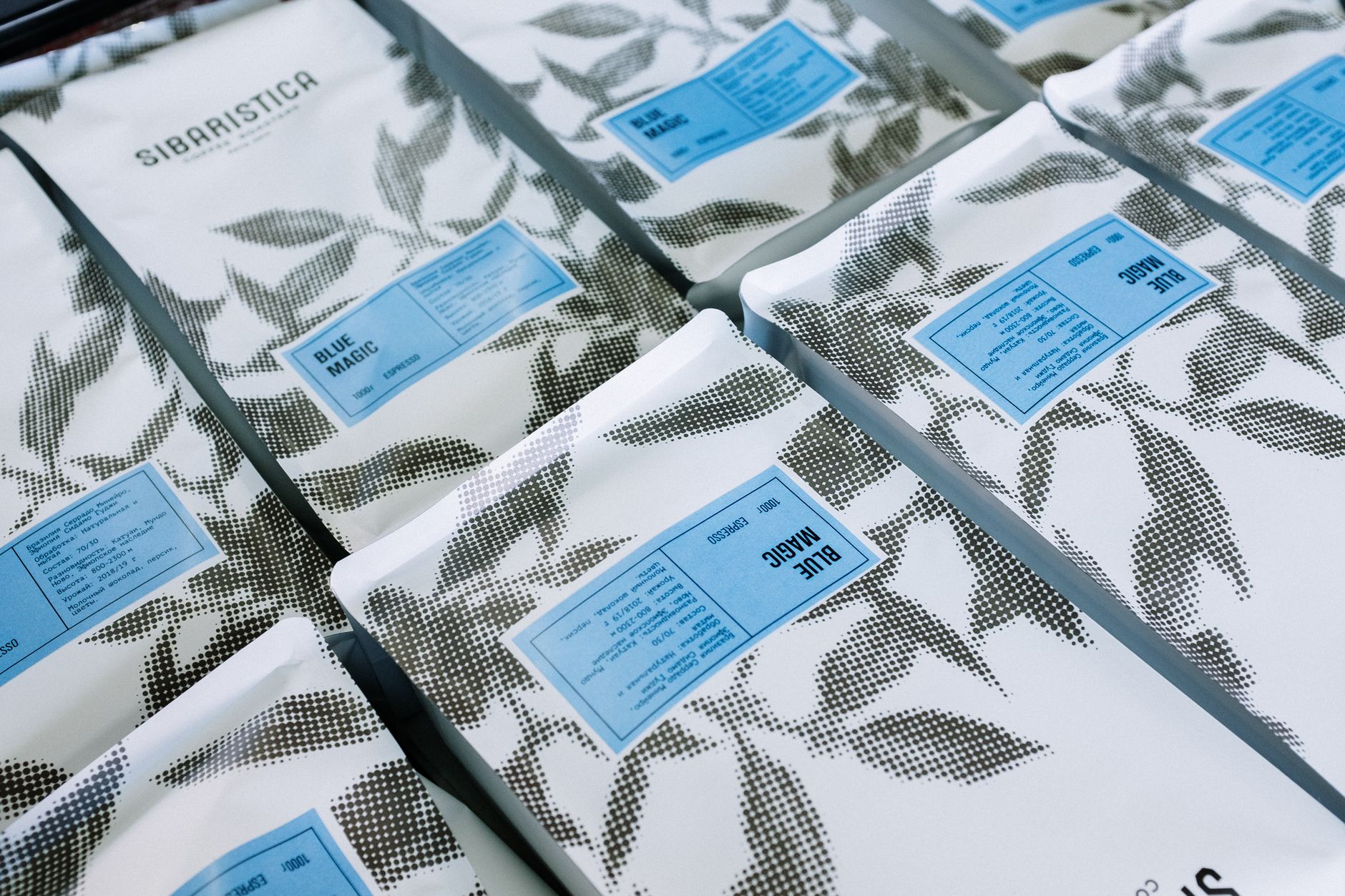
When it comes to branded merchandise and promotional products, the words “label and printing” might sound straightforward — but the decisions behind them can make or break the entire look and impact of your campaign. Whether you’re a Sydney marketing manager rolling out a national product launch, a Brisbane sports club ordering a new uniform range, or a Melbourne startup building brand awareness through corporate gifts, understanding your label and printing options is fundamental. Get it right and your merchandise looks polished, professional, and memorable. Get it wrong and you’re left with faded logos, peeling transfers, or colours that bear no resemblance to your brand guidelines. This guide breaks it all down so you can order with confidence.
What “Label and Printing” Actually Means in Promotional Merchandise
In the promotional products world, “label and printing” refers to two distinct but related concepts: the physical labels attached to or woven into a product, and the decoration method used to apply your branding to the product itself.
Labels can include woven neck labels inside custom apparel, hang tags on retail-style merchandise, sticker labels on drinkware packaging, and printed inserts inside gift boxes. They’re often the finishing touch that separates budget-looking merchandise from something genuinely premium.
Printing, on the other hand, refers to how your logo, artwork, or text is applied to a product’s surface. This encompasses a wide range of decoration techniques, each with its own strengths, ideal use cases, and cost considerations.
The Most Common Decoration Methods in Australia
Understanding the different decoration techniques available will help you choose the right approach for each product and application:
Screen Printing — Best for flat surfaces like t-shirts, tote bags, and promotional bags. Ideal for bulk orders where you need consistent, vibrant colour reproduction. Typically suits orders of 50+ units and works best with solid colour artwork rather than photographic imagery. Check out our guide to promotional shopper and tote bags to see how screen printing performs across various bag styles.
Embroidery — The premium choice for polos, caps, jackets, and workwear. It adds texture and durability that printing simply can’t replicate. It’s a popular choice for corporate apparel, particularly ladies polo shirts where a professional finish is non-negotiable.
Sublimation — A digital process where ink is heat-transferred into the fabric or surface at a molecular level. This allows for full-colour, edge-to-edge prints with photographic detail. It works exclusively on polyester fabrics and coated hard substrates. You’ll often see this method used for sports jerseys, custom mugs, and promotional prints.
Pad Printing — Used for small, hard promotional items like pens, USB drives, keyrings, and phone chargers. The process uses a silicone pad to transfer ink from an etched plate onto the product surface. It’s precise and cost-effective for small areas.
Laser Engraving — Permanently etches your design into metal, wood, glass, or leather. Popular for corporate gifts, premium drinkware, travel coffee cups, and awards. The result is sophisticated and long-lasting.
Heat Transfer / Digital Transfer — Versatile and suitable for shorter runs with complex, multi-colour artwork. Used across apparel, bags, and promotional items where screen printing MOQs might be too high.
Why Label and Printing Quality Directly Affects Brand Perception
This is the part that many organisations underestimate. A low-quality print on a promotional t-shirt or tote bag doesn’t just look unprofessional — it actively signals to the recipient that your brand cuts corners. On the flip side, a well-printed, properly labelled piece of branded merchandise can function as a walking billboard for months or even years.
Think about it from a recipient’s perspective. If you hand someone a branded travel coffee cup at a conference and the logo is already starting to flake by the time they get home, that’s the impression they carry of your organisation. Conversely, a laser-engraved drinkware piece that still looks sharp two years later reinforces that your brand stands for quality.
The ROI data on promotional drinkware consistently shows that longevity is one of the strongest drivers of brand recall — and longevity starts with choosing the right decoration method for the product.
Matching the Decoration Method to the Product
Not every method works on every product, and this is where many first-time buyers make expensive mistakes. Here’s a quick practical guide:
- Apparel (t-shirts, hoodies) — Screen printing for volume, sublimation for sportswear, embroidery for polos and corporate uniforms
- Bags and backpacks — Screen printing or heat transfer for flat panels; embroidery for premium finishes on Samsonite backpacks or similar styles
- Hard goods and tech — Pad printing or laser engraving for items like phone chargers, USB drives, and tech accessories
- Eco products — Laser engraving and screen printing with water-based inks for eco-friendly and upcycled merchandise
- Notebooks and stationery — Debossing or foil stamping for leather covers; screen printing or digital printing for card covers; popular for promotional notebooks in Adelaide and across South Australia
Label Types: What Goes Inside and Outside Your Branded Products
Labels are often an afterthought, but they’re a critical element of presentation — particularly if you’re gifting merchandise at a corporate event or using promotional products as part of a retail-style brand experience.
Woven and Printed Neck Labels
For custom apparel orders, you typically have the option to replace the manufacturer’s standard neck label with your own branded label. Woven labels are durable and feel premium; printed neck labels are cost-effective and suitable for higher-volume orders. If you’re a sporting club ordering custom jerseys or a school ordering uniforms, branded neck labels add a level of professionalism that matters to recipients.
Hang Tags and Swing Tags
Popular for retail-style merchandise packs and event give-aways. If you’re running a bridal expo in Australia and bundling products into branded gift bags, hang tags on promotional merchandise elevate the unboxing experience considerably. They can include your logo, a QR code, a short brand story, or care instructions.
Packaging Labels and Sticker Applications
For items like promotional colour run powder with branded packaging or promotional popcorn bags for events, the label applied to the packaging is often what carries your branding. Getting the right label material — whether that’s paper, gloss vinyl, or clear poly — makes a significant difference to how the final product looks on a trade show table or event display.
Practical Ordering Tips for Label and Printing Projects
Whether you’re ordering 50 units or 5,000, there are several practical things worth getting right before you place your order.
Artwork Preparation
Most decoration methods require vector artwork files (typically .AI or .EPS formats) to ensure clean, scalable reproduction. Supplying a low-resolution PNG from your website will almost certainly result in a blurry or pixelated print. If your brand files aren’t in vector format, request a proof from your supplier before approving — this is especially important for screen printing and embroidery.
PMS colour matching is also critical. If your brand colour is a specific shade of blue, make sure you supply the PMS code rather than relying on a supplier to interpret an on-screen colour. Screens display colour differently from printed output, and a slight variation can look quite different on a physical product.
Setup Fees and MOQs
Most decoration methods involve a one-off setup fee — this covers creating the screen, embroidery digitisation file, or engraving template. These fees are typically charged once per order and are often waived on reorders. Minimum order quantities (MOQs) vary significantly by method and product: screen printing often starts at 25–50 units, embroidery at 12–25, and laser engraving sometimes from just 1 unit.
Suppliers across Perth promotional products to wholesale promotional products in Hobart follow similar pricing structures, though turnaround times can vary depending on your location and the complexity of the order.
Sampling and Proof Approval
Always request a digital proof before approving production — and for larger investments, a pre-production sample. This is particularly important when ordering items like personalised backpacks for schools or promotional garden tools for corporate outdoor events, where getting sizing, placement, and colour exactly right is essential.
Eco Considerations in Printing
If sustainability is a priority for your organisation — and increasingly it is, given growing awareness around promotional product waste reduction — ask your supplier about water-based inks, soy-based inks, and low-waste production methods. Many World Environment Day branded eco products for schools and corporate sustainability programmes now specifically require decoration methods that minimise environmental impact.
Choosing the Right Supplier for Your Label and Printing Needs
Not all promotional product suppliers offer the same decoration capabilities in-house. Some outsource specialist work like embroidery or sublimation, which can extend turnaround times. When evaluating suppliers, ask:
- Which decoration methods do you handle in-house?
- What is your standard turnaround time, and do you offer rush production?
- Can you provide samples of previous work in this decoration method?
- What file formats do you accept, and do you have a graphic design team to assist with artwork?
- Do you offer PMS colour matching, and at what additional cost?
The answers to these questions will save you a great deal of frustration — and help you get the result your brand deserves.
Key Takeaways
Choosing the right label and printing approach for your branded merchandise isn’t just a technical decision — it’s a brand decision. Here are the most important points to carry forward:
- Match the decoration method to the product and application. Embroidery suits corporate apparel; screen printing suits high-volume flat surfaces; laser engraving suits premium hard goods.
- Prepare your artwork correctly. Vector files and PMS colour codes ensure accurate, professional results regardless of decoration method.
- Don’t overlook labels. Woven neck labels, hang tags, and packaging labels dramatically elevate the perceived value of your branded merchandise.
- Ask about eco-friendly printing options. Water-based and soy-based inks, responsibly sourced label materials, and waste-reduction practices are increasingly expected by recipients and stakeholders alike.
- Always approve a proof before production. A digital proof (and ideally a physical sample for larger orders) protects your investment and prevents costly reprints.
When you take the time to get your label and printing decisions right, the payoff is merchandise that genuinely represents your brand — and keeps working for you long after the initial campaign wraps up.