
How to Choose the Right Branded Items for Your Business or Sports Club
Discover how to choose, order, and budget for branded items that make a lasting impression for your Australian business or sports club.

Written by
Ethan Kowalski
Corporate Gifts
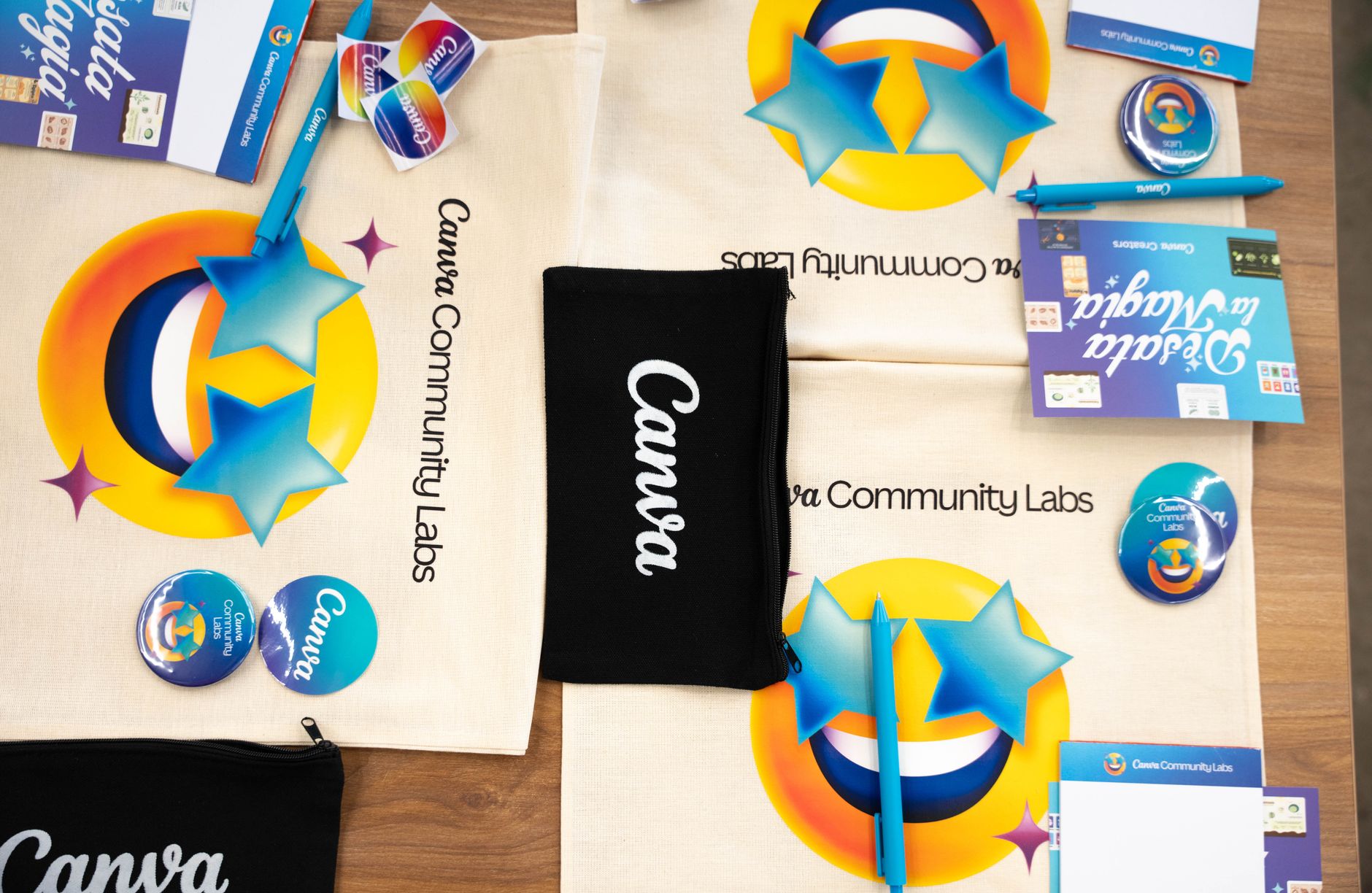
Choosing the right branded items can feel overwhelming — there are hundreds of product categories, countless decoration methods, and an endless list of suppliers all competing for your attention. Whether you’re a marketing manager in Sydney putting together a corporate gift pack, or a sports club coordinator in Brisbane looking to kit out your volunteers for the upcoming season, the decisions you make around branded merchandise will have a real impact on how your organisation is perceived. Get it right, and your branded items become powerful ambassadors for your brand. Get it wrong, and you’ve spent the budget on something that ends up in the bin before the week is out.
This guide cuts through the noise and gives you a practical, no-nonsense framework for selecting, ordering, and managing branded items that actually deliver value.
Why Branded Items Still Matter in 2026
In an age of digital marketing, it’s easy to underestimate the power of a physical, tangible product bearing your logo. But the data consistently tells a different story. Promotional products generate repeated brand impressions over weeks, months, and sometimes years — something a social media ad simply cannot do.
Think about it this way: a quality branded keep cup given to a client in Melbourne will sit on their desk or travel with them to coffee shops every single day. Every time they reach for it, your brand is front and centre. That’s passive, ongoing advertising with a one-time cost. Compare that to a digital ad that disappears the moment your campaign budget runs dry.
For sports clubs, branded items serve a dual purpose. They build team identity and community pride while also helping the club look professional and well-organised to sponsors, parents, and supporters. A Perth football club with well-branded playing tops, supporter merchandise, and volunteer vests immediately signals credibility — and credibility attracts sponsorship.
For businesses, branded merchandise forms a key part of the overall brand experience. It reinforces your identity at trade shows, conferences, client meetings, and onboarding moments. When done thoughtfully, it tells your clients and prospects that you pay attention to detail.
Understanding Your Audience Before You Order
The single most common mistake organisations make when ordering branded items is choosing products they like rather than products their audience will actually use. Before you even open a product catalogue, spend some time thinking clearly about who is going to receive these items and in what context.
Ask yourself:
- Who is the recipient? A corporate client, a new employee, a competition winner, a volunteer, or a supporter?
- What is the occasion? A product launch, a conference, an end-of-season event, a client Christmas gift?
- Where will the item be used? At a desk, at the gym, at a job site, outdoors at community events?
- What is the budget per person? This will dramatically narrow your product options.
A Gold Coast real estate agency gifting settlement gifts to new homeowners will have very different needs from an Adelaide council distributing merchandise at a community health expo. The real estate agency might opt for premium branded items like engraved wine glasses or a leather notebook — things that feel luxurious and memorable. The council might need practical, high-volume items like branded tote bags or reusable water bottles that serve a useful purpose for a broad demographic.
Getting clear on your audience upfront saves time, money, and the headache of receiving 500 items that don’t resonate with anyone. If you’re unsure where to start, our guide to choosing promotional products for different industries can help you map products to recipient types.
Matching Products to Decoration Methods
Once you’ve identified your product category, the next step is understanding which decoration method will best suit both the product and your brand requirements. This matters more than most people realise — the wrong decoration method can result in a logo that fades, cracks, or simply doesn’t look sharp.
Here’s a quick reference for common pairings:
Apparel (T-Shirts, Polos, Hoodies, Caps)
Embroidery is the gold standard for workwear, polos, and caps — it looks professional, feels premium, and holds up through countless washes. Screen printing is ideal for large, bold designs on t-shirts and is highly cost-effective at volume. For complex, full-colour designs on performance wear (think sublimated sports jerseys for a Canberra rugby club), sublimation printing delivers vibrant results with zero cracking or peeling.
For more detail on this, see our comparison of screen printing and embroidery for branded apparel.
Drinkware (Bottles, Keep Cups, Mugs)
Laser engraving works beautifully on stainless steel and aluminium drinkware, creating a permanent, elegant result. Pad printing is suitable for ceramic mugs and simpler logo applications. For high-colour branding on items like branded drink bottles, digital printing or sublimation can capture your full brand palette.
Bags (Tote Bags, Backpacks, Cooler Bags)
Screen printing on canvas tote bags is enormously popular for conferences and events — it’s affordable, fast, and visually impactful. Embroidery on backpacks or conference bags adds a more sophisticated, boardroom-appropriate finish. If you’re ordering eco-friendly jute or recycled tote bags for a Hobart sustainability event, screen printing with water-based inks is both appropriate and impressive.
Tech Accessories and Stationery
Pad printing and laser engraving are the most common methods for power banks, USB drives, pens, and notebooks. For leather notebooks, debossing (pressing the logo into the material) creates a tactile, premium result that recipients genuinely appreciate.
Understanding decoration methods also helps you have better conversations with your supplier. You’ll know what to ask for, and you’ll be better placed to evaluate quotes. Check out our beginner’s guide to branded merchandise decoration methods if you want to go deeper on this topic.
Budgeting for Branded Items: What You Need to Know
Budget is almost always the elephant in the room. The good news is that branded items are available across a huge range of price points — from sub-$2 branded pens right through to $100+ premium gift sets. The key is matching your spend to the value of the relationship or occasion.
Here are some general budget benchmarks to work with:
- $1–$5 per item: High-volume giveaways for events, trade shows, and expos. Think branded pens, keyrings, lanyards, or pocket notebooks.
- $5–$15 per item: Mid-range items suitable for staff gifts, community events, or sports club merchandise. Consider branded drink bottles, tote bags, caps, or phone accessories.
- $15–$40 per item: Premium gifts for valued clients, team recognition, or conference packs. Branded keep cups, quality notebooks, backpacks, or multi-item gift sets.
- $40+ per item: Executive or VIP gifts, long-service awards, or partner appreciation gifts. Think engraved drinkware sets, leather goods, or premium tech accessories.
It’s also worth factoring in setup fees, which are charged by most suppliers to cover the cost of preparing artwork for production. Setup fees typically range from $30–$80 per colour or decoration position, and they’re usually a one-off cost (subsequent orders of the same product won’t incur setup again). Our guide to understanding setup fees and hidden costs breaks this down in detail.
Don’t forget to budget for samples. Before committing to a large order, it’s always worth requesting a pre-production sample to check product quality, print accuracy, and colour matching — especially for high-value or high-visibility orders.
Minimum Order Quantities and Turnaround Times
Two things that consistently catch buyers off guard are minimum order quantities (MOQs) and turnaround times. Getting across these early will save you significant stress.
Most branded items carry an MOQ — a minimum number of units you must order for that product. MOQs typically range from 25 units (for premium items) to 250+ units (for very low-cost, high-volume items). Some suppliers offer lower MOQs for an additional surcharge, which can be worth it for smaller organisations or pilot orders.
Turnaround times vary depending on the product category and decoration method:
- In-stock, simple decoration (e.g., pad printed pens): 5–10 business days
- Custom apparel with embroidery or screen printing: 10–15 business days
- Fully custom or offshore-manufactured products: 6–12 weeks
If you’re ordering for a specific event — a Darwin conference, a school sports carnival, a Melbourne product launch — always work backwards from your deadline and add a buffer. Rushing orders often results in premium freight costs that blow your budget. For a fuller overview of lead times across product types, our article on promotional product turnaround times is worth a read before you start planning.
Making Your Branded Items Go Further
Getting the most out of your branded merchandise investment comes down to thoughtful planning and strategic distribution. Here are some practical ways to maximise impact:
Bundle products into gift sets. A branded notebook, pen, and keep cup presented in a custom box creates a cohesive, premium experience that feels intentional rather than throwaway. This approach works well for new employee welcome kits, client appreciation gifts, and conference packs.
Align products with your brand values. If sustainability is part of your brand story, choose eco-friendly branded items — bamboo products, recycled PET bottles, organic cotton tote bags. A Sydney marketing agency that champions sustainability should be ordering merchandise that reflects that. See our guide to eco-friendly promotional products for options that genuinely walk the talk.
Think about shelf life. Products that people use daily — drinkware, bags, quality apparel — generate far more impressions over time than single-use or novelty items. A branded hoodie worn regularly around Melbourne generates thousands of brand impressions that a branded stress ball simply never will.
Use consistent branding across all items. If you’re ordering multiple product types, ensure your logo colour, placement, and sizing are consistent across everything. This creates a cohesive brand presence and looks far more professional than a mix of inconsistent applications.
For sports clubs specifically, thinking about how branded items can generate revenue as supporter merchandise is worth exploring — our guide to merchandise for sports clubs covers this in practical detail.
Key Takeaways
Selecting and ordering the right branded items doesn’t need to be complicated — it just requires clear thinking and a bit of planning. Here’s what to remember:
- Know your audience first. The best branded items are the ones recipients will actually use, so design your product selection around them, not around what you like.
- Match decoration methods to products. The right technique makes your branding look sharp and last longer — don’t let an unsuitable method undermine an otherwise great product choice.
- Budget realistically. Account for setup fees, freight, and sampling costs — not just the unit price — to avoid budget blowouts.
- Plan for lead times. Give yourself plenty of runway, especially for custom apparel, large orders, or items with complex decoration requirements.
- Make your branded items work harder. Bundle products, align them with your brand values, and focus on products with long shelf lives for the best return on your investment.
Done well, branded items are one of the most cost-effective and enduring marketing tools available to Australian businesses and sports clubs. Take the time to plan thoughtfully, and the results will speak for themselves.