
How to Use Photo Print Branded Merchandise to Elevate Your Corporate Gifting
Discover how photo print merchandise can transform your corporate gifts, boost brand recognition, and create lasting impressions for Australian businesses.

Written by
Ethan Kowalski
Corporate Gifts
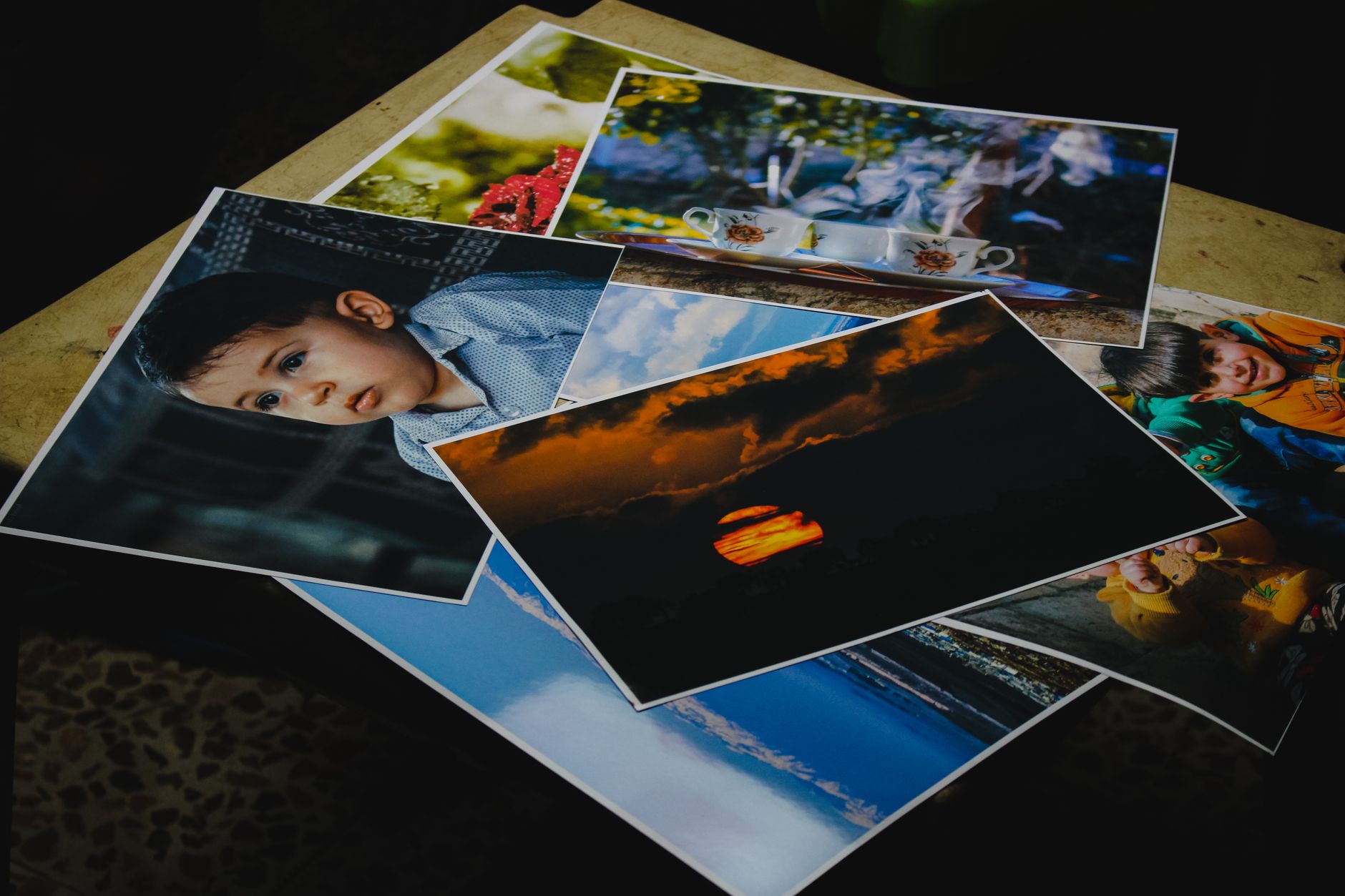
Photo print merchandise is quietly becoming one of the most powerful tools in a savvy marketer’s gifting arsenal — and it’s easy to understand why. In a world where branded products are everywhere, photo-quality printing elevates a simple promotional item into something genuinely memorable. Whether you’re a Sydney-based marketing team preparing for a major product launch, a Melbourne sports club celebrating a championship season, or a Brisbane corporate office looking to impress high-value clients, photo print merchandise offers a level of personalisation and visual impact that standard logo printing simply can’t match. This guide walks you through everything you need to know to make photo print work brilliantly for your brand.
What Exactly Is Photo Print Merchandise?
Before diving into strategy, it’s worth clarifying what photo print actually means in the promotional products context. Photo print refers to the application of photographic-quality imagery — full-colour, high-resolution designs — onto physical merchandise. Unlike traditional screen printing, which works best with simple, flat-colour artwork, photo print uses digital printing technology to reproduce complex gradients, photographs, detailed illustrations, and intricate artwork with remarkable accuracy.
This decoration method is commonly used on products like:
- Ceramic mugs and travel cups
- Sublimation-printed apparel (t-shirts, hoodies, and sports jerseys)
- Tote bags and backpacks
- Framed prints and canvas wall art
- Phone cases and tech accessories
- Notebooks and stationery
The technology behind photo print merchandise typically involves either direct-to-garment (DTG) printing, dye sublimation, or UV digital printing, depending on the substrate. Each method has its strengths, and understanding which suits your chosen product is an important early step in any project.
If you’re already familiar with how promotional prints and canvases work, you’ll recognise that photo print is simply the extension of that same high-quality reproduction philosophy applied to a much broader product range.
Why Photo Print Is Gaining Traction in Corporate Gifting
The corporate gifting landscape has shifted considerably. Clients and staff alike have come to expect more than a generic branded pen or a plain tote bag. They want gifts that feel considered, personal, and premium. Photo print merchandise delivers exactly that.
Emotional Connection Through Personalisation
A photo-printed gift can feature team photography, event imagery, a client’s industry landscape, or even custom artwork that reflects shared values. Imagine presenting a Perth-based mining client with a sleek, photo-printed travel mug featuring a stunning aerial image of the Pilbara region — paired with your logo subtly placed in a corner. That’s a gift that gets kept, used, and talked about. Compare this to a standard logo-only item, and the difference in perceived value is immediately apparent.
The promotional drinkware ROI data consistently shows that items people find visually appealing and personally meaningful generate far more brand impressions over time. A photo-printed travel coffee cup sitting on a desk or in a car cupholder is seen dozens of times a day by the recipient and everyone around them.
Standing Out in a Crowded Market
Trade shows, conferences, and expos are notoriously noisy environments. When every other exhibitor is handing out the same items, photo print merchandise instantly differentiates your stand. A vibrant, full-colour sublimation-printed tote bag or a beautifully photo-printed notebook stands out in a sea of single-colour screen-printed giveaways.
This is particularly relevant for businesses attending major industry events in cities like Adelaide, Gold Coast, or Canberra, where the competition for attendee attention is fierce. Pairing your promotional merchandise strategy with standout products is the difference between being remembered and being forgotten.
Choosing the Right Products for Photo Print
Not every promotional product is equally well-suited to photo print decoration. The best results come when you match the printing method to both the product material and the design intent.
Drinkware and Travel Accessories
Sublimation printing on white ceramic mugs, enamel cups, and travel coffee cups produces stunning, wrap-around full-colour prints that are both durable and dishwasher resistant. For corporate gifting, this is one of the most popular applications of photo print technology. A branded travel coffee cup with photo-quality imagery is a genuinely premium gift that earns daily use.
Bags and Totes
Polyester tote bags and backpacks are excellent candidates for photo print, particularly sublimation. The smooth, woven surface of polyester allows for crisp, vivid reproduction of photographic imagery. If you’re sourcing shopper and tote bags for a campaign, opting for a photo-printed design rather than a standard one-colour print can dramatically increase the perceived value of the item.
For higher-end gifting, consider personalised backpacks or premium Samsonite backpacks where a well-placed photo print panel adds a striking visual element without overwhelming the design.
Tech Accessories
Phone cases, power bank covers, and USB drives can all accept photo print decoration through UV printing. A pulse phone charger with a custom photo-printed surface, for example, makes a memorable and functional gift that keeps your brand visible throughout the recipient’s day.
Stationery and Notebooks
Soft-cover notebooks and journals can be photo printed via digital printing, allowing full-bleed cover designs that feel more like a published book than a promotional product. For teams in Adelaide managing promotional notebooks for a conference or client event, upgrading to a photo print cover design adds instant prestige.
Artwork Requirements and Practical Considerations
Getting the most out of photo print merchandise requires careful attention to artwork quality and file preparation.
Resolution Is Everything
Unlike screen printing, which can work reasonably well with vector-based designs at various sizes, photo print requires high-resolution source files — typically 300 DPI (dots per inch) at the final print size. If you’re incorporating photography, stock imagery, or detailed illustrations, ensure your files are print-ready before submitting. Pixelated or low-resolution images will produce disappointing results, and no amount of post-processing can recover missing detail.
Colour Calibration
Screens display colours in RGB, while print uses CMYK or, in the case of sublimation, a specific dye transfer process. Colours can shift during this conversion, particularly rich blues and vibrant purples. Work with your supplier to request a physical proof or press proof before approving a full production run. This is especially important for brand-specific colours — while PMS matching is common in traditional printing, photo print processes handle colour reproduction differently.
Minimum Order Quantities and Turnaround
Photo print methods, particularly DTG and UV printing, are well-suited to shorter runs. This makes them more accessible for smaller businesses or specific campaigns where you don’t need thousands of units. Minimum order quantities (MOQs) for photo print products can be as low as 12–25 units for some items, though pricing per unit drops significantly at higher volumes. Turnaround times typically range from 5 to 15 business days depending on complexity, quantity, and the supplier’s current capacity.
It’s worth noting that if you’re sourcing from a Hobart-based wholesale supplier or a Perth promotional products specialist, local turnaround times and freight costs can vary — factor this into your planning timeline.
Photo Print for Sports Clubs and Events
Beyond corporate gifting, photo print merchandise is a natural fit for sports clubs and event organisers. A Melbourne footy club producing photo-printed supporter scarves, sublimation jerseys, or commemorative mugs featuring season highlights creates merchandise that fans genuinely want to own and display. This isn’t just promotional — it’s memorabilia.
Similarly, event-based merchandise like promotional colour run items benefits enormously from vibrant, photo-quality printing that captures the energy and excitement of the occasion. Photo-printed merchandise at a bridal expo can showcase the quality of a brand’s work in a way that a plain logo never could.
Sustainability and Photo Print
It’s also worth considering the environmental dimension. Photo print, particularly when applied to sustainably sourced products, aligns well with a growing emphasis on responsible procurement. For organisations looking to balance visual impact with environmental responsibility, pairing photo print decoration with upcycled or eco-friendly products is an increasingly popular approach. Choosing products that support waste reduction while still looking exceptional is a very achievable goal with today’s photo print technology.
Conclusion: Key Takeaways for Photo Print Merchandise
Photo print is not just a decoration method — it’s a strategic choice that signals quality, creativity, and genuine investment in your brand experience. For Australian marketing teams, corporate gifters, and sports clubs wanting to make a real impression, it’s one of the most versatile and impactful tools available.
Here are the key things to remember:
- Match your product to your print method — sublimation suits polyester and ceramics, while UV printing works well on rigid substrates like tech accessories and hard cases.
- Invest in high-resolution artwork — photo print quality is directly tied to the quality of your source files, so don’t cut corners on artwork preparation.
- Request a proof before going to print — colour shifts between screen and print are common, and a physical proof protects your investment.
- Consider MOQs carefully — photo print is accessible at lower quantities, making it ideal for targeted gifting campaigns rather than mass giveaways.
- Think beyond the logo — the real power of photo print is its ability to tell a story, evoke emotion, and create merchandise that people genuinely want to keep and use.