
What Is Merchandise? A Complete Guide for Australian Businesses and Sports Clubs
Discover what merchandise is, how it works, and why it matters for Australian businesses, marketing teams, and sports clubs in 2026.

Written by
Ethan Kowalski
Corporate Gifts
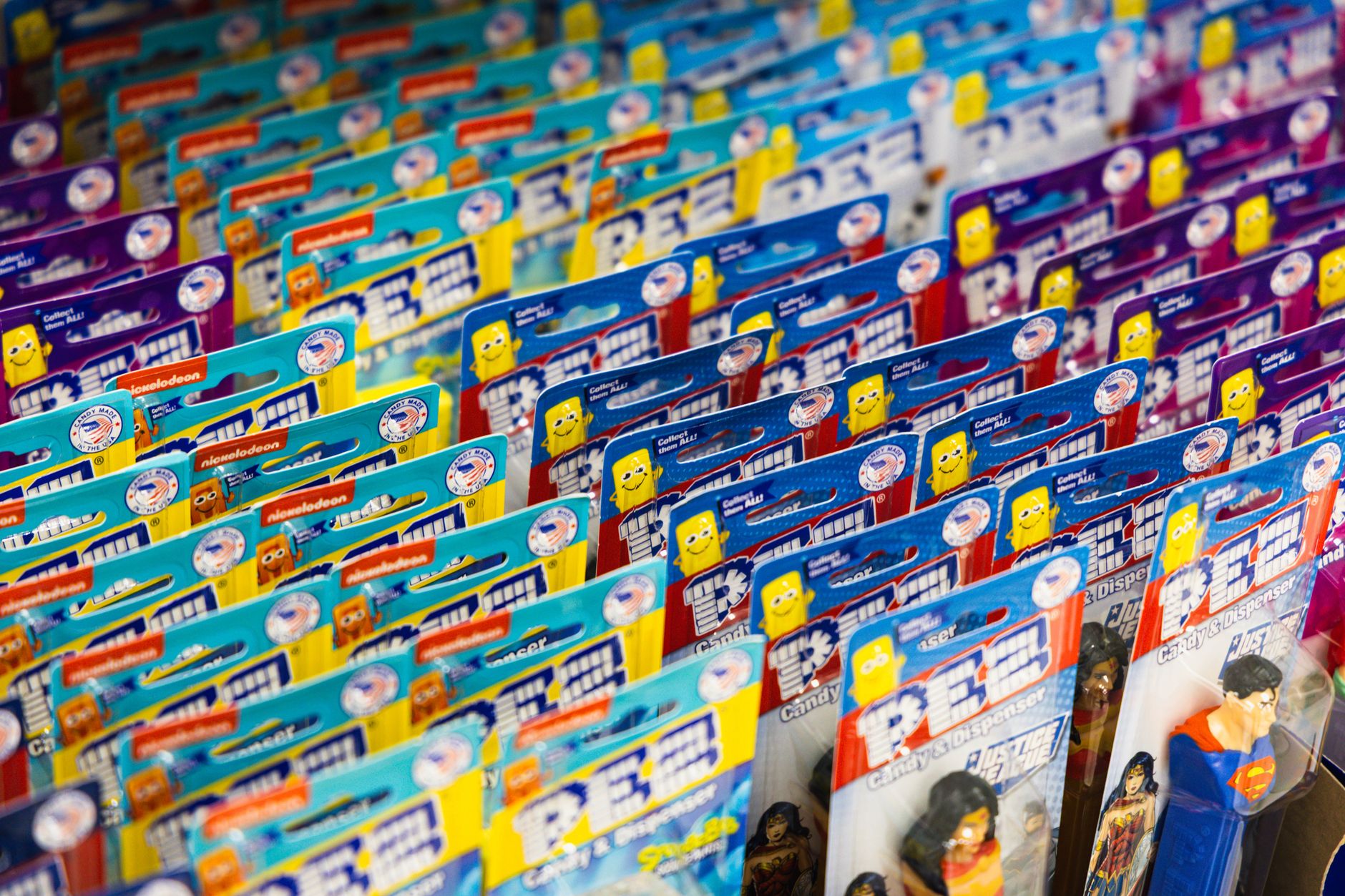
If you’ve ever received a branded pen at a trade show, worn a club jersey on game day, or sipped coffee from a logo-emblazoned keep cup in the office, you’ve already experienced the power of merchandise first-hand. But what are merchandise products, really — and why do so many Australian businesses, marketing teams, and sporting clubs invest in them year after year? Whether you’re new to the world of branded products or looking to sharpen your strategy, this guide breaks down everything you need to know: what merchandise is, how it works, what types are available, and how to make smarter decisions when ordering for your organisation.
What Are Merchandise Products, Exactly?
At its simplest, merchandise refers to any physical product that’s been customised with a brand, logo, message, or design and distributed to promote an organisation, reward loyalty, or create a sense of identity. You might hear it called promotional merchandise, branded merchandise, promo products, or corporate gifts — they all sit under the same broad umbrella.
Merchandise serves multiple purposes depending on who’s ordering and why:
- Marketing teams use it to build brand awareness, generate leads at events, and leave lasting impressions at conferences and expos.
- Businesses use it to reward clients and staff, welcome new employees, or reinforce company culture.
- Sports clubs use it to build team spirit, generate revenue through supporter merchandise, and create a recognisable identity on and off the field.
The key distinction between merchandise and ordinary retail products is the customisation element. A plain black hoodie is just a hoodie. A hoodie embroidered with your club’s crest and printed with the season year is merchandise — it carries meaning, builds identity, and tells a story.
It’s also worth noting that merchandise sits in a unique space between marketing and gifting. Unlike digital advertising, which disappears the moment someone scrolls past it, a well-chosen merchandise item can stick around for years, continuing to do its job quietly and consistently. If you’re curious about how these two approaches compare in terms of return on investment, our comparison of promotional products vs digital advertising ROI explores this in depth.
The Main Types of Merchandise Available in Australia
One of the great things about the Australian promotional merchandise industry is the sheer variety of products available. Here’s a breakdown of the most popular categories and where they tend to work best.
Apparel and Wearables
Branded clothing is one of the most visible and versatile forms of merchandise. From custom printed t-shirts for events and sports days to work polo shirts for corporate uniforms, wearables put your brand in motion — quite literally. Every time someone wears your branded gear, they become a walking billboard.
For sports clubs, wearable merchandise is especially powerful. Think club jerseys, training shirts, supporter caps, and warm-up gear. For businesses, polo shirts and jackets are staple items for trade shows, site visits, and client-facing roles.
Bags and Totes
Bags are a perennial favourite in the Australian merch space. They’re practical, high-visibility, and available across a wide range of styles and price points. Shopper and tote bags are enormously popular for events, retail, and conferences — particularly as awareness around single-use plastic continues to grow. If you need to order in volume, sourcing totes bags in bulk is a cost-effective way to stretch your budget further.
For a more premium feel, a tote bag with zipper adds a sense of security and sophistication, making it a great choice for corporate events or high-end client gifting. On the higher end of the bag spectrum, Samsonite backpacks make exceptional executive gifts or employee recognition rewards.
Drinkware
Branded drinkware — from water bottles to keep cups to mugs — consistently ranks among the most useful and appreciated merchandise categories. A quality travel coffee cup with your logo is something a recipient will use every single morning. That daily touchpoint is genuinely hard to compete with from a brand exposure perspective.
Stationery and Office Supplies
Branded stationery remains a staple in corporate gifting and conference packs. Promotional notebooks in Adelaide are a great example of how even a simple product can carry significant brand impact when paired with a well-executed logo. Metal promotional pens sit alongside notebooks as a classic corporate merchandise pairing that never really goes out of style.
Tech Accessories
Tech merchandise has grown dramatically in popularity over recent years. A pulse phone charger is the kind of item recipients genuinely value — and every time they use it, your brand is right there in their hand. Power banks, USB hubs, wireless chargers, and branded cables all perform well in corporate gifting scenarios.
Event and Novelty Products
Sometimes merchandise is all about creating a moment. Promotional popcorn bags for cinema and event merchandise are a fun, memorable way to engage an audience. Event wristbands are essential for ticketed events, festivals, and sporting competitions — functional, but also a brilliant canvas for your branding.
Eco-Friendly Products
Sustainability is no longer a niche concern — it’s a mainstream expectation. Australian businesses and organisations are increasingly seeking eco-friendly merchandise options, from recycled tote bags to bamboo stationery sets. If this is an area you’re exploring, our guide to upcycled marketing giveaways in Australia is well worth a read. You might also be interested in World Environment Day branded eco products for schools, which shows how educational institutions are leading the charge. For broader context on where the industry is heading, our coverage of promotional product waste reduction industry initiatives gives a useful overview.
How Merchandise Is Customised: Decoration Methods Explained
Understanding decoration methods helps you make better decisions about which products will best suit your design and budget. The most common techniques used across Australia include:
- Screen printing — ideal for flat, vibrant designs on fabric and paper products. Best for large runs with limited colours.
- Embroidery — premium finish for apparel and bags. Creates a textured, professional look that holds up extremely well over time.
- Laser engraving — precise and permanent, commonly used on metal drinkware, pens, and tech items.
- Pad printing — used for smaller or irregularly shaped items like pens, keyrings, and lighters.
- Sublimation — allows full-colour, edge-to-edge printing. Excellent for sportswear, custom apparel, and vibrant promotional items.
- Debossing/embossing — creates an indented or raised impression, often used on leather goods, notebooks, and premium packaging.
Choosing the right decoration method matters. Embroidery on a polo shirt looks sharp and durable, while screen printing on a t-shirt suits bold graphic designs with flat colour. Your merchandise supplier should help guide you through this process based on your artwork and product choice.
What to Consider Before Placing a Merchandise Order
Whether you’re a Sydney marketing team preparing for an expo, a Melbourne sports club gearing up for the season, or a Brisbane charity planning a fundraising event, the ordering process involves a few key considerations.
Minimum Order Quantities (MOQs)
Most promotional merchandise products have a minimum order quantity — commonly between 25 and 250 units depending on the product and decoration method. MOQs exist because setup costs (like screen printing screens or embroidery digitisation) need to be spread across enough units to be financially viable. If you’re ordering in smaller quantities, look for products with lower MOQs or consider digital printing options.
Turnaround Times
Standard turnaround in Australia is typically 10–15 business days from artwork approval. Rush orders are often available at a premium — some suppliers can turn products around in as little as 5 business days for simple items. If you’re in Perth or Darwin and relying on freight, factor in additional delivery time.
Budgeting
Merchandise pricing is almost always tiered — the more units you order, the lower the per-unit cost. Setup fees (for screens, digitisation, etc.) are usually charged once, so larger orders offer significantly better value. Don’t forget to factor in GST, freight, and any artwork costs.
Artwork Requirements
Most suppliers require artwork in vector format (typically .AI or .EPS files) for screen printing, embroidery, and pad printing. If your artwork isn’t print-ready, you may need to pay a design or redraw fee. Getting your artwork sorted before you request a quote will speed up the process considerably.
Merchandise in Action: Real Australian Scenarios
To make this tangible, here are a few scenarios where merchandise delivers real value:
- A Gold Coast real estate agency orders branded travel coffee cups as client settlement gifts — a premium, practical gesture that reinforces the relationship long after the deal is done.
- A Canberra government department sourcing eco-friendly conference bags for an annual summit — choosing recycled material bags aligns with sustainability commitments and resonates with attendees.
- A Melbourne football club ordering supporter t-shirts and wristbands for finals season — building excitement and generating additional revenue through merchandise sales.
- An Adelaide university packing orientation bags with notebooks, pens, and tote bags — giving students a useful welcome pack that doubles as a branding exercise.
- A Brisbane bridal expo organiser selecting a curated range of promotional merchandise for bridal expos to give exhibitors maximum brand reach across the event.
If you’re based in Tasmania and exploring options, our wholesale promotional products guide for Hobart covers what’s available and how to source effectively in that market.
Conclusion: Key Takeaways for Merchandise Newcomers
Understanding what merchandise is and how it works is the first step toward using it effectively for your organisation. Done well, branded merchandise creates lasting impressions, builds community, and delivers genuine marketing value that digital channels simply can’t replicate.
Here are the key points to take with you:
- Merchandise is any physical product customised with your brand — it covers everything from t-shirts and tote bags to tech accessories and premium gifts.
- The right product depends on your audience, budget, and purpose — a sports club and a corporate law firm will have very different needs and should choose accordingly.
- Decoration method matters — embroidery, screen printing, laser engraving, and sublimation each suit different products and design requirements.
- Plan ahead — standard turnaround is 10–15 business days, and artwork needs to be print-ready before production can begin.
- Eco-friendly options are increasingly expected — sustainability-conscious merchandise choices reflect positively on your organisation and resonate with modern Australian audiences.
Whether you’re just getting started or refining an existing merch strategy, the right products — thoughtfully chosen and well-executed — can make a genuine difference to how your brand is seen and remembered.