
How to Use a Digital Signage Display Screen to Boost Your Brand Presence
Discover how digital signage display screens can elevate your brand at events, offices, and sports venues across Australia. A practical guide for 2026.

Written by
Ethan Kowalski
Corporate Gifts
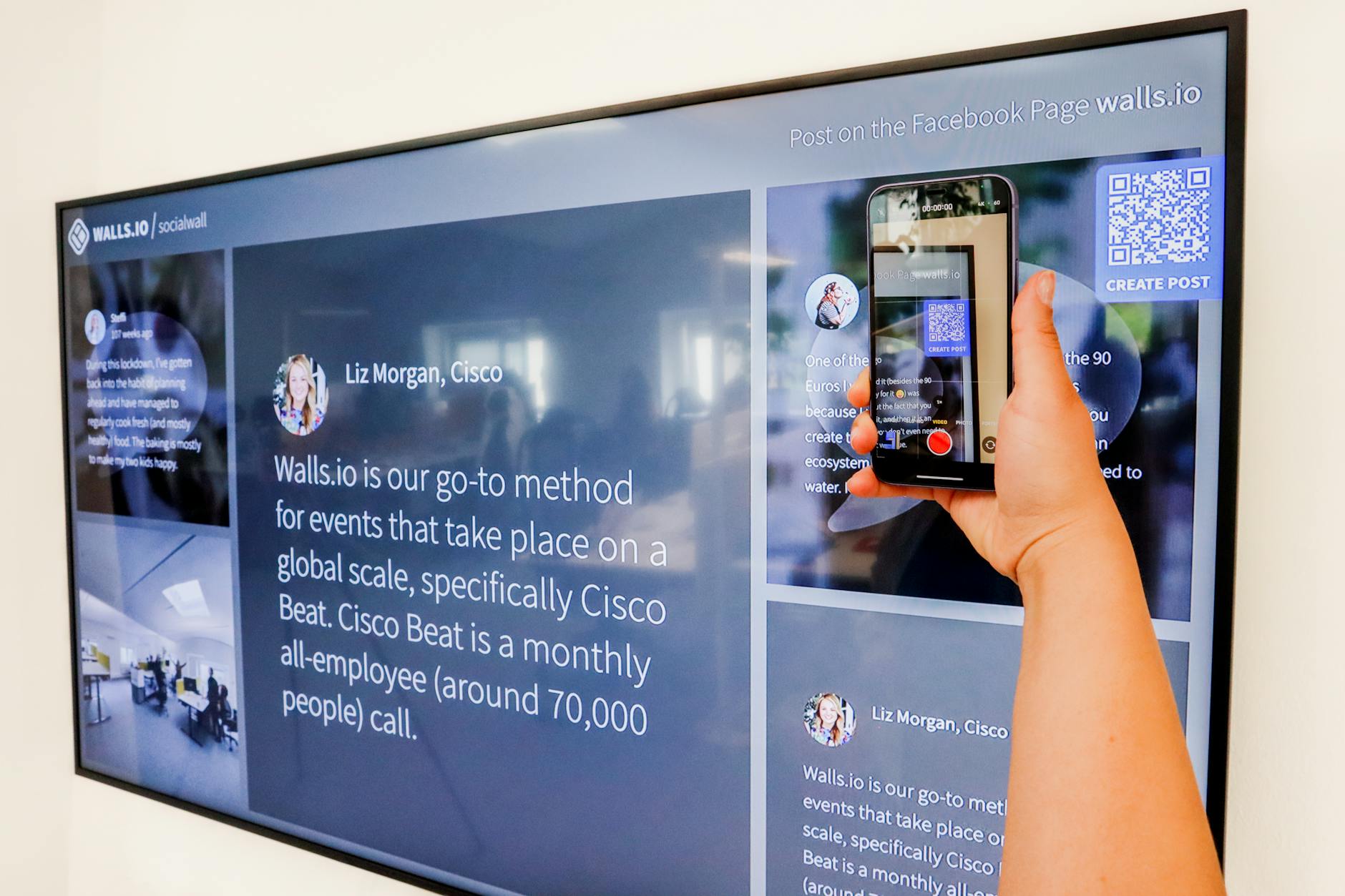
Whether you’re running a trade show booth in Melbourne, managing a reception area in a Sydney CBD office, or setting up a sports club presentation night on the Gold Coast, the way you present your brand matters enormously. A digital signage display screen has become one of the most powerful tools available to Australian marketing teams, businesses, and sports clubs looking to make a lasting impression — and it’s easier to implement than most people think. From dynamic promotional content to real-time event schedules, these screens transform the way organisations communicate with their audiences. If you’ve been wondering whether digital signage is worth the investment, this guide breaks down everything you need to know.
What Is a Digital Signage Display Screen and Why Does It Matter?
At its core, a digital signage display screen is a digital panel — typically an LED or LCD screen — used to display dynamic, customisable content. Unlike static banners or printed posters, digital screens allow you to update messaging instantly, rotate multiple pieces of content, and engage viewers with motion graphics, video, and animation.
For Australian businesses, this is particularly valuable. Think about a Brisbane real estate agency updating its property listings in real time without reprinting window displays, or a Perth sporting club cycling through sponsor logos and match-day schedules on a single screen in the clubhouse. The flexibility is unmatched.
Digital signage comes in a range of formats:
- Freestanding kiosks — ideal for trade shows, expos, and retail environments
- Wall-mounted displays — suited to offices, reception areas, and hospitality venues
- Outdoor-rated screens — built for weather exposure, perfect for stadium entrances or street-facing storefronts
- LED video walls — large-format displays for conferences, awards nights, and major events
Understanding which format suits your setting is the first step in planning an effective digital signage strategy. For more context on how physical and digital branding work together, take a look at our guide to event branding essentials for Australian organisations.
How Digital Signage Fits Into a Broader Branded Merchandise Strategy
It might seem unusual to discuss digital screens in the context of branded merchandise and promotional products — but the connection is stronger than you’d expect. Savvy marketing teams understand that branding is an ecosystem. Your digital signage display screen is the backdrop against which physical merch is presented, distributed, and remembered.
Consider a corporate conference in Adelaide. The event team might have branded delegate bags, custom lanyards, and logo notebooks ready to hand out at registration. But it’s the digital welcome screen at the entrance — cycling through sponsor logos, session schedules, and branded visuals — that sets the professional tone before a single product is picked up.
Similarly, a Melbourne sporting club hosting its annual awards night will typically invest in trophies, branded clothing, and memorabilia. A well-placed digital display showcasing player highlights, sponsor acknowledgements, and event branding elevates the entire experience and makes every other branded element feel more premium.
This is why forward-thinking organisations treat digital signage as part of their overall branded communications toolkit — not as a standalone tech purchase. For tips on pulling together a cohesive brand presence at events, see our post on creating a professional trade show display.
Choosing the Right Digital Signage Display Screen for Your Needs
Not all screens are created equal, and choosing the wrong one can lead to wasted budget and disappointing results. Here are the key factors to consider.
Screen Size and Viewing Distance
A common mistake is going too small. As a general rule, viewers should be able to read content clearly from a distance of roughly 2–3 metres per 50cm of screen diagonal. A 55-inch screen works well in a mid-sized reception area or exhibition booth, while a corporate headquarters foyer in Sydney’s CBD might call for a 75–85-inch display or even a video wall.
For outdoor sports venues in Darwin or Canberra — where heat, humidity, and UV exposure are real concerns — opt for screens with high brightness ratings (measured in nits) and IP-rated enclosures to protect against the elements.
Content Management Systems
The software behind your screen is just as important as the hardware. A quality content management system (CMS) lets you schedule content in advance, update messaging remotely, and manage multiple screens from a single dashboard. This is particularly useful for businesses with multiple locations — a national franchise, for example, that wants to push consistent branding across stores in Hobart, Brisbane, and Perth simultaneously.
Look for CMS platforms that support:
- Drag-and-drop content scheduling
- Template libraries for quick updates
- Integration with social media feeds and live data
- User permission controls for teams
Resolution and Brightness
For indoor use, Full HD (1080p) is generally sufficient. For large-format displays, video walls, or high-traffic environments where viewers will be close to the screen, 4K resolution delivers noticeably sharper results. Outdoor screens should have a minimum brightness of 2,500 nits to remain legible in direct sunlight — a significant consideration for Queensland-based venues.
Practical Tips for Getting the Most From Your Digital Signage
Owning the hardware is only half the battle. How you use your digital signage display screen determines whether it genuinely drives engagement or becomes expensive wallpaper.
Keep Content Fresh and Relevant
Static content defeats the purpose of digital signage. Rotate your messaging regularly — update promotional offers, acknowledge key milestones, promote upcoming events, and refresh seasonal campaigns. Organisations that update their screens weekly see significantly higher engagement than those who set and forget.
Pair Digital Signage With Physical Branded Products
The most effective branded environments combine digital and physical elements. A display screen promoting your latest custom merchandise range, for example, works beautifully alongside a well-stocked display of branded drinkware or apparel. If you’re considering what physical products to pair with your digital presence, our guide to choosing the best promotional products for corporate events is a great starting point.
Match Your Brand Guidelines
Your screen content should reflect your brand’s visual identity — consistent fonts, colour palette, logo placement, and tone of voice. Many organisations overlook this and allow content to drift from brand guidelines over time. Assign a team member or agency to maintain consistency.
Use Motion Thoughtfully
Animation and video grab attention, but overdo it and you risk distracting rather than engaging. A simple rule: use motion to direct the eye to your key message, then allow still frames to let viewers absorb the information.
Digital Signage for Sports Clubs and Community Organisations
For sporting clubs across Australia, digital signage represents a significant upgrade from printed rosters and hand-drawn scoreboards. A Gold Coast football club, for example, might use a digital screen in its clubroom to display:
- Live match-day scores and statistics
- Upcoming fixtures and training schedules
- Sponsor acknowledgements with rotating logos
- Club announcements and social media feeds
- Photo highlights from recent games
This kind of dynamic content keeps members engaged in the clubroom and creates a more professional environment that sponsors are proud to be associated with. Speaking of sponsors — a digital screen dramatically increases the perceived value of a sponsorship package, since sponsor logos can be rotated, animated, and prominently featured throughout an event.
For clubs exploring how to attract and retain sponsors more effectively, our post on creating compelling sports club sponsorship packages offers useful strategies.
Budgeting and Planning Considerations
Digital signage represents a meaningful investment, so it’s worth approaching the budget conversation carefully. Entry-level commercial displays suitable for small offices or club environments start at around $800–$1,500. Mid-range options with better brightness, built-in media players, and commercial warranties typically range from $1,500–$4,000. Larger format displays, video walls, and outdoor-rated screens can run significantly higher.
Don’t forget to factor in:
- Installation costs — wall mounting, cabling, and bracket hardware
- CMS software subscriptions — typically $20–$80 per screen per month depending on the platform
- Content creation — design work for templates, animations, and video
- Ongoing maintenance — commercial screens have longer warranties than consumer TVs, but service agreements are worth considering
For organisations managing tight marketing budgets, it’s worth exploring whether leasing or renting screens for specific events might be more cost-effective than purchasing outright. Many AV hire companies across Melbourne, Sydney, and Brisbane offer competitive rates for short-term event use.
For broader budgeting advice on promotional campaigns that include both digital and physical elements, see our guide to planning a promotional products budget.
Integrating Digital Screens With Your Promotional Campaign Calendar
The most strategic way to use a digital signage display screen is to align its content with your broader marketing calendar. Plan campaigns in advance and schedule content updates to coincide with product launches, seasonal promotions, team milestones, or major events.
For example, a corporate team in Canberra preparing for EOFY gifting season might use their office lobby screen to showcase their branded corporate gift range, reinforcing the campaign message with physical gifts waiting at reception. A sports club in Adelaide leading into its annual presentation night can use digital screens to build excitement in the weeks beforehand — previewing award categories and counting down to the event.
This kind of integration ensures your digital investment is doing real work as part of a coordinated brand strategy, rather than running content in isolation. For inspiration on aligning digital and physical branding around key calendar moments, explore our post on EOFY corporate gifting ideas for Australian businesses.
Conclusion: Key Takeaways
A well-chosen and well-managed digital signage display screen can be a genuinely transformative addition to your brand presence — whether you’re a corporate marketing team, a growing business, or a community sports club. Here are the key points to carry away from this guide:
- Choose the right format for your environment — screen size, resolution, and brightness requirements vary significantly between indoor offices, outdoor venues, and large-scale event spaces.
- Pair digital screens with physical branded merchandise — the combination of dynamic digital content and tangible promotional products creates a more memorable and professional brand experience.
- Keep content updated and on-brand — stale, off-brand content undermines the investment; assign someone to manage and refresh messaging regularly.
- Integrate signage into your broader campaign calendar — align screen content with product launches, events, and seasonal promotions for maximum impact.
- Plan your full budget upfront — include installation, software, content creation, and ongoing maintenance alongside hardware costs to avoid surprises.
Done right, digital signage doesn’t just display your brand — it amplifies everything else you’re doing to build it.