
The Complete Guide to Personalised Merchandise for Australian Businesses and Sports Clubs
Discover how personalised merchandise can boost brand visibility, team culture, and customer loyalty for Australian businesses and sports clubs.

Written by
Ethan Kowalski
Corporate Gifts
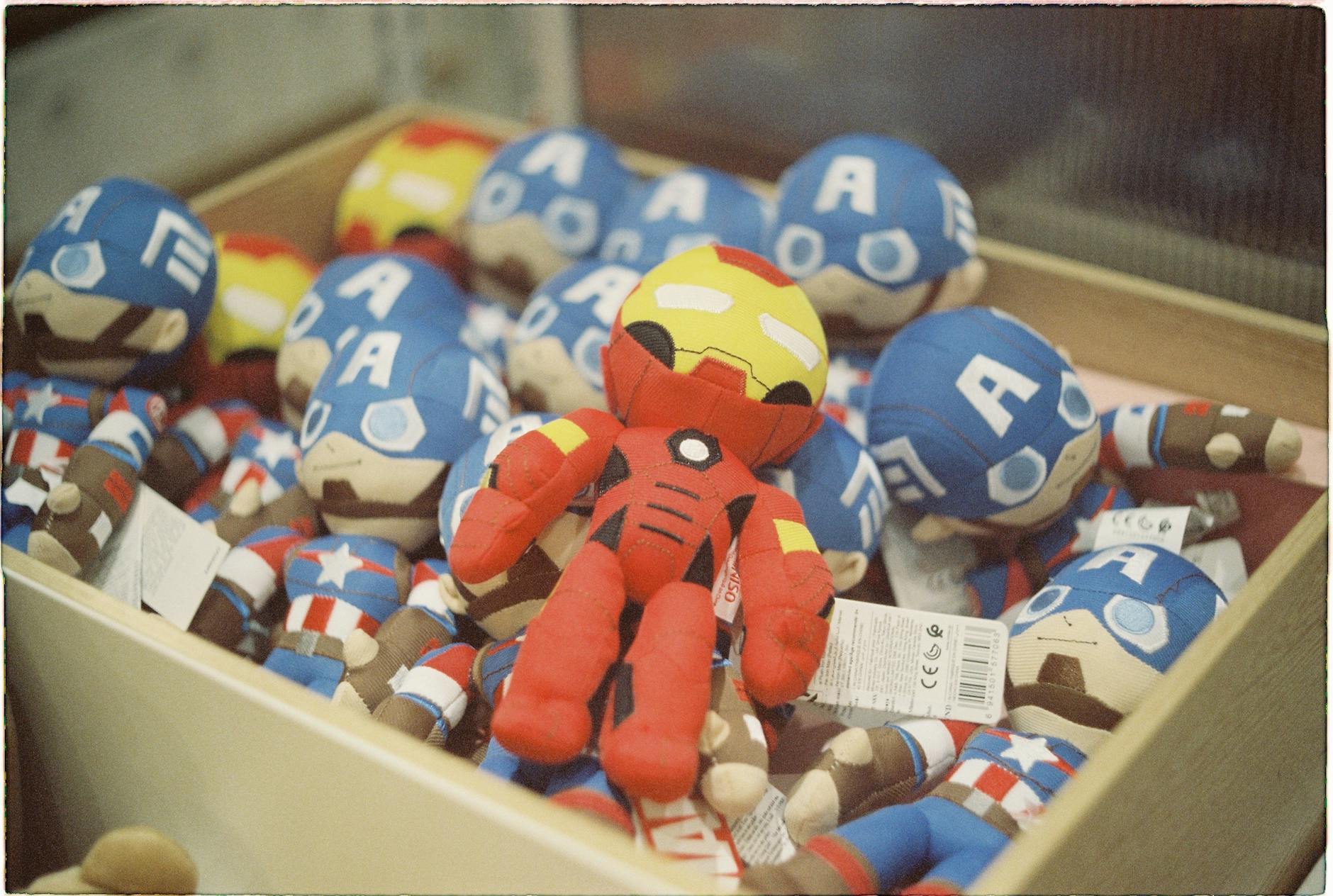
Personalised merchandise is one of the most powerful tools available to Australian marketing teams, business owners, and sports clubs looking to make a lasting impression. Whether you’re planning a corporate gift campaign, kitting out your footy team for the new season, or preparing branded giveaways for a Sydney trade show, the right personalised products can elevate your brand in ways that digital advertising simply cannot match. But with so many product categories, decoration methods, and suppliers to navigate, knowing where to start can feel overwhelming. This guide cuts through the complexity and gives you everything you need to make smart, informed decisions about your next personalised merchandise order.
Why Personalised Merchandise Still Delivers Real Results
In an era dominated by digital marketing, physical branded items remain remarkably effective. Studies consistently show that recipients keep promotional products for months, sometimes years, meaning your brand continues to generate impressions long after the initial investment. Unlike a social media ad that disappears from a feed in seconds, a quality branded keep cup or embroidered polo shirt stays in circulation.
For Australian businesses specifically, personalised merchandise plays a unique role in relationship-building. Sending a thoughtful branded gift to a Melbourne client, surprising your Perth office team with new branded apparel, or presenting a Brisbane conference attendee with a practical tote bag — these moments create genuine goodwill that sticks.
The key word here is personalised. Generic, off-the-shelf products don’t carry the same weight. When a product features your logo, your brand colours, and perhaps even a recipient’s name, it transforms from a simple object into a meaningful touchpoint.
The Business Case for Branded Merchandise
From a return-on-investment perspective, personalised merchandise consistently outperforms many traditional advertising channels on a cost-per-impression basis. Consider a custom water bottle distributed at an Adelaide marathon expo. Every time the recipient uses it at the gym, the office, or on a weekend run, your brand gets seen — by them and everyone around them. That single item might generate hundreds of impressions over its lifetime.
For sports clubs, particularly community footy, netball, and cricket clubs across Queensland and Victoria, personalised merchandise builds identity and belonging. Custom jerseys, supporter caps, and branded training gear don’t just look professional — they unite players and supporters under a shared banner.
Choosing the Right Products for Your Personalised Merchandise Campaign
Selecting the right products is arguably the most important decision in the entire process. The best choice depends on your target audience, budget, distribution method, and the message you want your brand to convey.
Apparel and Wearables
Custom apparel is consistently one of the highest-impact categories in personalised merchandise. Embroidered polos and workwear create a professional, cohesive look for corporate teams, while screen-printed t-shirts are a popular, cost-effective option for sports clubs and events. Hoodies and caps also perform extremely well, particularly in cooler southern states like Victoria and Tasmania where recipients are likely to wear them regularly.
If you’re outfitting a team or workforce, it’s worth understanding decoration methods before you order. Our guide to screen printing vs embroidery breaks down which method suits different fabrics and use cases — a critical read before committing to a large apparel order.
For hi-vis workwear, particularly relevant for construction companies, councils, and mining operations across Western Australia and Queensland, personalised hi-vis vests and shirts with embroidered or heat-transfer logos project professionalism on site while meeting safety requirements.
Drinkware
Branded drinkware — keep cups, stainless steel water bottles, glass mugs — is one of the most practical and universally appreciated categories. These items sit on desks, travel in bags, and feature in social media posts. For corporate gift campaigns targeting clients or staff, a quality insulated bottle with laser engraving or a ceramic mug with a full-colour print can be genuinely impressive. Check out our full guide to personalised drinkware options to explore the range and understand minimum order quantities (MOQs), which typically start from as low as 25 units for mugs and 50 units for insulated bottles.
Bags and Totes
Bags are walking billboards. A branded tote bag distributed at a Canberra government conference or a backpack gifted to a new staff member will travel through offices, public transport, and shopping centres — consistently exposing your logo to new audiences. Custom tote bags and backpacks are particularly popular for eco-conscious organisations, especially when made from recycled or organic materials.
Tech Accessories
For premium corporate gifting, branded tech accessories such as wireless chargers, power banks, and Bluetooth speakers hit a different level of perceived value. These products work especially well as executive gifts or conference inclusions when you want recipients to feel genuinely valued. Our overview of branded tech products covers the most popular options and what to expect in terms of MOQs and pricing.
Stationery and Office Essentials
Never underestimate the power of a quality branded notebook or pen. Stationery remains a staple in personalised merchandise, particularly for corporate environments. Branded journals with debossed logos, click pens with pad printing, and custom lanyards for events all serve practical purposes while keeping your brand front of mind. Custom branded notebooks and stationery are available in surprisingly low quantities, often from as few as 25 units.
Understanding Decoration Methods for Personalised Merchandise
How your logo or design is applied to a product matters enormously for both the final appearance and the cost of the order. Here’s a quick overview of the most common methods:
- Embroidery — Premium finish, ideal for caps, polos, and bags. Durable and professional-looking.
- Screen printing — Cost-effective for large runs, great for t-shirts and tote bags with bold designs.
- Laser engraving — Precise, long-lasting, and elegant. Perfect for metal drinkware, USB drives, and awards.
- Pad printing — Widely used for pens and small promotional items with simple logo designs.
- Sublimation — Allows full-colour, all-over printing on polyester apparel and ceramics. Popular for sports jerseys.
- Digital printing — Highly detailed, full-colour results for products where screen printing isn’t practical. Lower setup costs.
- Debossing — Creates a tactile, indented impression on leather or PU notebooks and cardholders. Looks premium.
For a deeper dive, our complete breakdown of decoration methods explains exactly when to use each technique and how they affect pricing.
Budgeting and Planning Your Order
Getting your budget right before you start browsing products will save you considerable time and frustration. Here are the key cost components to factor in:
Setup fees — Most decoration methods involve a one-time setup or screen fee, typically ranging from $40 to $120 per colour or design element. Digital and laser methods often have no setup fee.
Per-unit cost — Decreases significantly with volume. Ordering 500 custom pens will be dramatically cheaper per unit than ordering 100. Understanding bulk pricing tiers is essential to maximising value.
Sample costs — Many suppliers offer pre-production samples for a fee, which is worth considering for large or complex orders. Our guide to ordering samples walks through when and why to request them.
Freight — For organisations in regional areas of South Australia or the Northern Territory, freight costs can be a meaningful budget item. Factor this in from the beginning.
A practical tip: if you’re a marketing manager in a medium-sized business, it’s worth consolidating your annual merchandise needs into one or two larger orders rather than placing multiple small orders throughout the year. This approach unlocks better pricing tiers and reduces the per-unit setup cost burden.
Turnaround Times and Artwork Requirements
Timing is one of the most common pain points in personalised merchandise projects. Standard production times in Australia typically range from 7 to 15 business days after artwork approval. Rush orders are possible for many product categories but often attract a premium.
Artwork is the other key variable. To avoid delays, supply your logo as a vector file (AI, EPS, or SVG format) with PMS colour references if colour matching is critical. Our artwork requirements guide covers everything your designer needs to know before submitting files to a decorator.
For large events — an Auckland-to-Hobart sailing event corporate function, a Gold Coast conference, a Melbourne Cup corporate marquee — start your merchandise planning at least six to eight weeks out. This gives you time for proof approval, a sample if needed, and comfortable production time without paying rush fees.
Personalised Merchandise for Sports Clubs
Community sports clubs across Australia have a particular opportunity with personalised merchandise that goes beyond simple branding. Custom playing jerseys, training singlets, supporter merchandise, and presentation gear all contribute to club culture and can even generate revenue through supporter sales.
Screen-printed playing shirts and sublimated jerseys suit different budgets and performance requirements. For caps and supporter beanies, embroidery delivers a professional finish that holds up wash after wash. Our guide to personalised sports merchandise covers the full range of options for clubs in team sports from AFL to netball to rugby league.
Importantly, MOQs for club apparel often start from 10 to 20 units for standard designs, making it accessible even for smaller grassroots clubs in regional New South Wales or Tasmania that might only need a single team’s worth of gear.
Key Takeaways
Personalised merchandise done well is a genuine competitive advantage — whether you’re a marketing team building brand awareness, a business nurturing client relationships, or a sports club fostering community identity. Before you place your next order, keep these points in mind:
- Product selection matters most — Choose items your audience will actually use and appreciate, not just what looks impressive in a catalogue.
- Budget for the full picture — Include setup fees, per-unit costs, samples, and freight in your calculations from the start.
- Understand your decoration options — The right method for your product and design will dramatically affect quality and longevity.
- Plan ahead — Allow at least six to eight weeks for any personalised merchandise project involving an event or launch deadline.
- Consolidate orders for better value — Larger, less frequent orders unlock significantly better pricing tiers and reduce setup cost impact.
With the right strategy and the right supplier, personalised merchandise can deliver measurable returns and leave recipients genuinely impressed — and that’s exactly the outcome every marketing team, business, and sports club in Australia is looking for.